Estimated reading time: 5 minutes
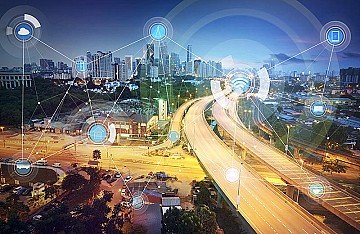
Integrated Internet of Things (IoT) systems help to connect smart city infrastructure with smart grids. They also link smart utilities to shared data, enabling more precise monitoring through wireless IoT data collection and real-time analytics.
For example, sensors attached to a home’s water pipes can track water pressure and detect leaks. Temperature monitoring adds context for seasonal shifts or freeze risks. This helps utilities detect issues early while providing consumers with better insight into usage and potential savings.
As utilities modernize to meet rising energy demands, renewable energy and alternative distribution models become central to long-term planning. At the same time, IoT has transformed how utilities:
- Deliver services
- Monitor infrastructure
- Manage resources
Key Takeaways
- Integrated IoT systems enhance smart utilities by connecting infrastructures and enabling real-time data collection.
- Smart water and waste management systems reduce losses and optimize collection routes using real-time sensor data.
- Smart grids utilize IoT and AI for efficient energy management, predictive maintenance and rapid response to outages.
Build Your Smart Energy Solution
Technologies Powering Smarter Utilities
By using modules with networks of cost-effective sensors, utilities can:
- Automate processes
- Improve decision-making
- Increase operational efficiency
Low-power wide-area network (LPWAN) technologies, including narrowband IoT (NB-IoT), enable long-range communication. They consume minimal power, making them well-suited for large-scale utility deployments.
As LPWAN adoption expands across the smart utilities sector, utilities benefit from:
- Improved reliability
- Enhanced security
- Reduced service disruption
- Safer operations
Some organizations are also deploying high-bandwidth 5G connectivity to support applications such as:
- Renewable energy integration
- Distributed energy resources (DERs)
- Advanced demand-side management
Smart Water and Waste Management Utilities
Smart water and waste management systems help utilities reduce losses, improve service reliability and lower operational costs. Sensors deployed across water pipes, drains and treatment infrastructure provide real-time data. Utilities use this information to monitor:
- Water quality
- Temperature
- Pressure
- Consumption
- Leaks
Insights such as these help utilities detect anomalies earlier and prevent losses. They can also respond quickly during emergencies, such as flooding.
Cities are also adopting smart waste management solutions that use sensor data to optimize collection routes and schedules. Waste bins can alert operators when they are full, enabling more efficient truck routing to save time and fuel.
Smart Lighting
Lighting plays a significant role in energy consumption for both residential and municipal environments. IoT-enabled smart lighting systems adjust lighting levels based on real-time needs, reducing costs and improving efficiency.
In homes, smart lighting enhances security through remote and automated control while providing insights into energy usage and identifying faulty or inefficient fixtures. In cities, LPWAN-enabled lighting systems simplify maintenance across large areas such as streets and parking structures.
Sensors can adjust lighting based on environmental conditions, like fog or rain. They can also alert maintenance teams to failures and follow dynamic schedules that balance safety and energy savings.
Smart Grids
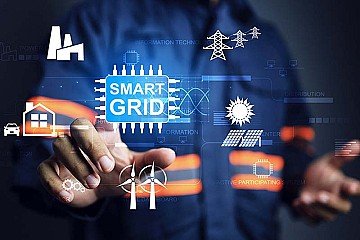
Smart grids are digitally managed electricity networks that use IoT sensors and modern technologies to balance supply and demand more effectively. Software and analytics support that balance and help utilities act faster. Utilities use smart grids for predictive maintenance and real-time monitoring. Automated responses can also address changing conditions.
Artificial intelligence (AI)-powered analytics can process vast amounts of sensor data to optimize load distribution. The same analytics can detect outages and support emergency responses, such as to wildfires or severe weather. Over time, these systems help utilities forecast demand and monitor renewable energy integration. They also help identify potential cybersecurity threats, making smart grids a cornerstone of modern smart city initiatives.
In emergency situations, first responders can access smart grids to direct traffic or cut off and restore power as needed.
The Future of Smart Utilities: The Time is Now
McKinsey’s 2024 Global Energy Perspective report projects global energy demand will grow by 11 to 18% by 2050. As utilities work to meet demand, integrated IoT solutions are essential to maximize energy efficiency and resilience. A smarter utility future is already unfolding. Organizations are turning to IoT deployments not only to reduce costs but also to improve service quality and strengthen infrastructure for the future.
A Smarter Path to Integration with Telit Cinterion
With over 30 years of experience in IoT innovation, Telit Cinterion helps connect devices, systems and data across the global utilities ecosystem. We have a proven track record of supporting IoT solutions worldwide.
Contact us to learn how integrated IoT systems can support your smart utilities initiative. Our experts will help you find the IoT product or solution that meets your needs.
Editor’s note: This blog was originally published on 5 March 2020 and has since been updated.