This morning I read a report on Blue Banana: 31% of its sales come from e-commerce. For context, the average is 25% in Spain and France, and 40% in the UK
There was a time when e-commerce was a playground for small players testing ideas without major costs. Many big brands ignored it. Today, no one questions it: it’s a priority channel. It not only drives sales and distribution but also helps control brand image and positioning, critical in today’s market.
A similar thing happened with social media. Born as entertainment, they evolved into communities, then into lead generators, and today they are indispensable channels for traction and sales. Now, 32% of online purchases are tied to social platforms. Without a solid presence on social, physical retail, or strong brand equity, most e-commerce brands struggle.
Then came marketplaces and their million‑euro investment and ad budgets: ASOS, Zalando, Privalia… Some brands lost control, of margins and of customer relationships. Others found balance, using them as entry points to new audiences.
And then came Omni-channel, understood by some much earlier than others. Zara and Inditex set the standard. Today, in the phygital era, the rules of the game are still being defined.
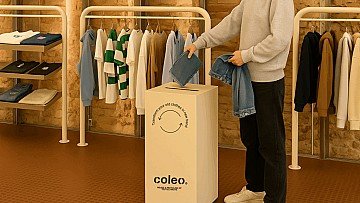
But there’s a new frontier: reuse. Second-hand, repair, resale; new ways to give products that have already lived a life a second chance. Right now, non-profits dominate volume, niche second-hand stores are booming, and regulation is catching up. But what’s really at stake is brand loyalty and strategic positioning.
What if the consumer (in the very near future) truly values sustainability? What if they start expecting not just a message or (capsule) collections around sustainability, but real actions around reuse and second hand? And recycled content, of course. What if it becomes one of the most powerful loyalty tools?
Beyond sustainability, not having a clear reuse strategy could mean losing relevance. The consumer (claims to) takes it seriously, and expects brands to act across multiple fronts. Just like e-commerce, social media, or marketplaces once lacked clear models but eventually became essential, sustainable models will find its path.
And controlling your second-hand product might be one of the smartest ways forward. Offering the right product, at the right price, at the right time is more important than ever.
Nacho Bueno – Marketing Director
References :
Statista, various sources
McKinsey, State of Consumer, 2025