Link building remains a cornerstone of natural referencing. Getting a link from a third-party site is not just a technical manoeuvre: the value of that link also depends on the quality of the content in which it is placed. A well-crafted article should not simply “host” a backlink, but provide genuine editorial coherence and a relevant context. This holistic approach is what truly strengthens the effectiveness of a link building strategy.
Finding the right editorial angle
The success of a link building article starts with the topic choice. It should lie at the intersection between the theme of the host website and that of the site being linked to. If it strays too far from the host site’s editorial line, the topic may seem artificial. If it’s too far from the target page, it brings no real SEO value.
For example, a pet website seeking to place a link on a home décor blog should avoid a purely legal or technical topic. An angle such as “How to improve your interior to speed up a property sale” creates common ground and makes the link credible in the eyes of both Google and readers.
Perfecting the technical structure: HTML tags
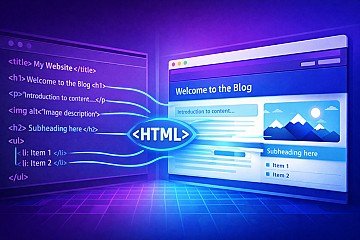
A good link building article is also a web-optimised piece of content that respects HTML structuring standards. The Title and meta description, though not visible within the article body, play an essential role in how it appears on Google and in its appeal. The H1 must be unique and clear, while H2 and H3 subheadings make the content easier to read and index. Bullet points (ul/ol/li) and table tags (tr/td) can also help structure the information effectively.
The link itself is inserted using the Ahref tag, which should be handled carefully. The chosen anchor must sound natural and fit smoothly within the sentence. Finally, it’s vital to check the code before publishing: some AI tools still generate unnecessary tags or leave identifiable footprints, which can harm the technical cleanliness of the article.
The value of authority links
In addition to the main backlink, a good article often includes so-called “authority links”. These are reliable external references pointing to well-established websites in their field. Their role is to add credibility by showing that the article is based on solid sources, while also sending a positive signal to Google: the text is not just promoting a link, but part of a network of relevant and verified content.
Optimising without overdoing it
There’s no need to over-optimise a link building article. This type of content is not meant to rank directly on a competitive keyword, but to transfer authority from the host site to the target URL. The trap of keyword stuffing must absolutely be avoided, as it harms readability and can raise red flags with search engines.
The best approach is to write in a fluid and natural way, integrating the right lexical field without excess. The text should remain pleasant to read and feel authentic.
The contribution and limits of AI
Artificial intelligence tools can be useful to speed up the production of link building content. They generate workable text bases and help produce quickly. However, they often leave recognisable traces known as footprints: set phrases, generic introductions, or overly standardised conclusions.
This is why human proofreading remains essential. It helps correct small mistakes, adjust the tone, and remove automated patterns. AI can be an asset, but the real value of a piece of content still comes from human editorial input.
AI and plagiarism detectors: limited reliability
Many professionals remain concerned about AI or plagiarism detection tools. In reality, their reliability is highly questionable. The web hosts such an enormous amount of content that even an original article can be flagged as partially plagiarised. As for AI detectors, they struggle to confidently tell apart a machine-written text from a human one.
In truth, the real question lies elsewhere: what matters most is the relevance and quality of the content. As long as the text is readable, smooth and useful, it makes little difference whether it was written with or without assistance.
Briefing and monitoring providers
In most cases, link building articles are not written in-house but outsourced to external writers. This means you must know how to prepare a precise brief. It should define the topic, expected structure, tone, link anchor and desired optimisation level.
However, outsourcing does not mean letting go of control. Even with a detailed brief, it is crucial to proofread and approve every article before publication. This ensures the content aligns with your strategy and fulfils its role within the link building campaign.
Practical checklist
- Define a coherent topic aligned with both the host and target site themes.
- Build a clear, well-structured article with clean HTML tags.
- Add authority links to strengthen the credibility of the text.
- Write naturally and avoid keyword stuffing.
- Use AI as a support tool, but correct any traces of automated generation.
- Keep in mind that AI or plagiarism detectors have limited reliability — quality always comes first.
- Provide a detailed brief to providers and systematically review their deliverables.
Would you like support in creating your link building content? We can help you design campaigns that build your authority without leaving any footprints.