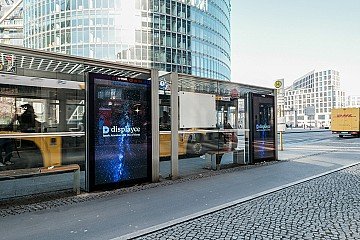
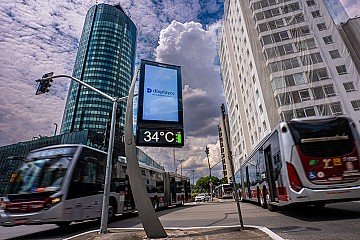
Programmatic DOOH (pDOOH) is often perceived as a channel reserved for large brands with substantial media budgets. This perception largely comes from traditional Out-of-Home buying models, built around fixed packages, long commitments and limited flexibility. In reality, programmatic activation has changed how DOOH campaigns are planned and delivered, making the channel more accessible than it may seem.
Breaking the myth: programmatic DOOH is not too expensive
While DOOH remains a premium medium, programmatic buying has transformed how budgets are managed. pDOOH offers greater control over delivery and spend, allowing investment to align more closely with campaign objectives without compromising the value of the channel.
Perceptions of high cost often stem from a lack of visibility into how pDOOH budgets are structured. In practice, media is bought at the impression level, spend can be capped and paced, and advertisers pay only for delivered impressions. This flexibility enables brands and agencies to test, optimise and scale campaigns progressively, without committing large budgets upfront.
How to build a budget-efficient pDOOH strategy: expert recommendations
Based on feedback from Displayce’s pDOOH specialists, budget efficiency in programmatic DOOH is not driven by cost reduction, but by smarter planning and execution choices.
Focus on audience-based strategies
Effective pDOOH strategies do not aim to replicate blind mass reach. Instead, they focus on relevance within a one-to-many approach that remains granular by design.
Rather than targeting screens or locations, without knowing if your audience is actually present, the objective is to concentrate investment where it naturally intersects with the audience’s real-life journey. By asking simple questions “Where is my audience going? At what time? In what context?” advertisers can identify the locations, environments and time windows that matter most.
Targeting specific cities, neighbourhoods or screen clusters linked to commuting flows, retail catchment areas or high-footfall urban hubs helps create the perception of broad coverage, while focusing only on the most meaningful touchpoints. This ensures each impression supports campaign objectives while keeping budgets under control.
Structure budgets to protect consistency over time
In programmatic DOOH, efficiency is driven by consistency rather than intensity. Spending faster does not guarantee better results.
Structuring budgets with daily caps and clear delivery rules helps avoid front-loading impressions in the first days and ensures steady visibility throughout the campaign. Even with moderate daily budgets, maintaining presence over several weeks supports repetition, memorisation and impact.
When delivery is constrained by targeting or timing, adjusting bids to remain competitive ensures budgets are fully activated instead of left unused.
Expert tips from Displayce’s DOOH operations team
We gathered a few practical recommendations from Bianca Susini, Lead AdOps at Displayce, based on her hands-on experience managing programmatic DOOH campaigns, ranging from SMBs to Enterprise companies worldwide. These tips focus on avoiding common execution issues that often lead to underdelivery and unspent budget.
1. Launch early and monitor delivery from day one
Launching campaigns earlier in the week leaves time to identify delivery issues and optimise before peak periods. The first 48 hours are critical. Tools like Delivery Pilot help detect blocking issues early and secure smooth delivery throughout the campaign.
2. Make sure all required creative formats are ready
DOOH campaigns often require multiple creative formats depending on screen types. Missing formats can significantly limit delivery. Displayce’s Creative Optimisation tool ensures assets are automatically adapted to DOOH specifications, helping campaigns access the full available inventory and avoid wasted budget.
3. Stay competitive on bidding when inventory is tight
When targeting is precise or campaign durations are short, competition increases. Starting with a competitive CPM and adjusting bids early helps prevent underdelivery and ensures budgets are fully activated.
“Programmatic DOOH gives advertisers much more control than many expect. When campaigns are properly structured and monitored from the start, even moderate budgets can deliver consistent and meaningful visibility.”
Bianca Susini, Lead AdOps
Conclusion
Building an effective pDOOH strategy is not about cutting costs, but about making informed, strategic choices at every stage of the campaign. By focusing on audience-based targeting, structuring budgets for consistency, and relying on expert execution, brands and agencies can deploy campaigns that are both impactful and budget-efficient.
Programmatic DOOH is not reserved for large budgets. When planned and executed correctly, it becomes an accessible and scalable channel for brands ready to move beyond traditional Out-of-Home.
Thanks to Displayce’s privileged relationships with leading media owners, advertisers can also benefit from discounted and exclusive CPM opportunities, unlocking premium DOOH inventory while maximising the efficiency of their media investments.