Estimated reading time: 4 minutes
Remote security and video surveillance support public and commercial organizations worldwide. Internet of Things (IoT)-enabled smart security solutions offer scalable, cost-effective coverage. They provide teams with real-time awareness of critical areas for faster responses when issues arise.
These systems maintain continuous oversight and strengthen operational efficiency. They centralize and automate monitoring, reducing the need for on-site staff.
Connected surveillance systems create smarter, more responsive security. However, a successful IoT surveillance solution requires more than basic connectivity. It depends on a stable cellular connection to operate at scale. Each deployment also requires SIM form factors and data plans tailored to its specific needs.
Accelerate Your IoT Success
LTE or 5G for Remote Surveillance
Remote IoT cameras are usually not hardwired to a network. They must communicate wirelessly to transmit data. With LTE Category (Cat) 1 through 5G widely available, cellular is often the preferred option.
While 5G offers the highest uplink throughput, LTE High Cat provides a broader geographic reach. It operates in remote locations where security cameras are frequently deployed. In contrast, 5G depends on nearby base stations and performs best in urban areas with stronger infrastructure.
SIMs Built for Smart Security
IoT security cameras often operate in harsh, demanding environments. Physical SIMs should meet industrial-grade standards to ensure reliable operation under extreme conditions. For greater durability than traditional SIM cards, consider alternative SIM form factors, such as:
- Plug-in SIMs
- Embedded SIM (eSIM)
- Integrated SIM (iSIM)
These form factors withstand physical stress, such as vibration and temperature shifts, common in outdoor and industrial deployments.
Because most smart security cameras are mission-critical, maintaining a continuous connection is essential. Choose solutions that allow devices to operate across multiple carriers. With a multi-IMSI, devices can maintain a reliable, continuous connection during coverage issues, ensuring uninterrupted operation.
The latest eSIM multiprofile (eUICC) services are robust. This adds another crucial layer of resilience and backup capabilities, increasing reliability. It is often the preferred solution for these applications.
Maintain Coverage without Compromise
Once you select the right SIM, choose a data plan designed for IoT security camera deployments. Traditional data plans tend to be rigid and can expose businesses to financial risks, like bill shock. IoT-focused data plans offer flexibility and reduce these risks.
Begin with a broadband data plan for high data usage. Average use often ranges from 250 MB to 3 GB. Actual usage depends on the surveillance camera application and broadcast options.
These plans deliver greater uplink volume than downlink. They are ideal for smart surveillance cameras, which often have high uplink data consumption rates.
Data usage can vary from one device to another. To prevent unexpected charges, use an optimization solution that allocates your data plan each month. Work with your provider to develop a precise plan based on your device’s data traffic patterns, including:
- Application types
- Regions
- Times
If you plan to deploy smart surveillance solutions across multiple countries or regions, choose a provider with global reach. Worldwide coverage ensures your devices stay connected wherever they’re installed. Ask about specific solutions for the markets in which you plan to operate.
For roaming solutions, such as video telematics cameras, confirm that your provider has 4G LTE roaming agreements. Make sure these agreements cover all your operating regions. This ensures a consistent connection as devices move across borders.
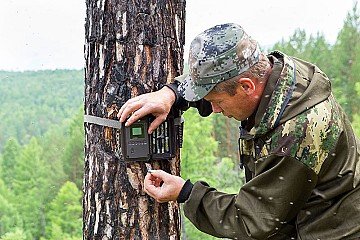
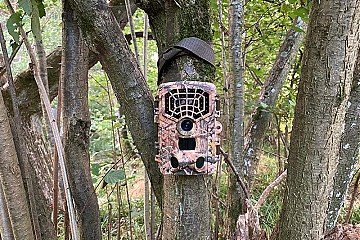
Consider prepaid data plans for seasonal surveillance applications, like trail cameras or hunting.
IoT Surveillance and Security System Measures
Security for smart surveillance systems must extend beyond the device. Implement protective measures, such as VPN solutions and a private APN.
A VPN encrypts communication channels, making it harder for unauthorized parties to intercept or access sensitive data. A private APN creates a dedicated, secure connection, reducing the risk of unauthorized access to system data. Together, these measures protect sensitive data and preserve system integrity.
24/7/365 Support and Remote Troubleshooting
Choose a provider that offers 24/7 support. Around-the-clock assistance helps keep devices protected. Ask whether support includes specialists with network and device expertise. Comprehensive knowledge allows specialists to resolve issues quickly and keep systems running smoothly.
Check whether additional service fees apply, as these can affect operating costs.
A provider with advanced connectivity management platforms and remote troubleshooting tools can reduce downtime and safeguard your daily operations. These capabilities also limit the need for technician visits to camera sites, saving time and money. This is especially valuable for cameras installed in hard-to-reach locations, like roofs or towers.
Connectivity That Adapts to Every Location
Our global connectivity solutions are easily managed through a single portal. We offer flexible data plans tailored to your unique needs.
Our pay-if-use models charge only when the device is active. They automatically allocate pooled balances to optimize costs.
These solutions simplify deployment and support reliable performance across your entire surveillance network.
Ready to work with an IoT industry leader who understands your surveillance and security needs? Try our IoT connectivity starter kit and experience the difference Telit Cinterion can make.
Editor’s note: This blog was originally published on 9 October 2017 and has since been updated.