Email marketing in 2026 is operating at a completely different speed than it did just a few years ago. Static schedules and delayed reports are no longer enough in a landscape driven by AI-powered personalization, automated journeys, and rising customer expectations. Today, real-time performance analytics isn’t optional; it’s essential.
That means identifying engagement spikes, diagnosing deliverability issues, spotting drop-offs in conversion paths, and capitalizing on high-performing segments immediately. The brands that win in 2026 are the ones that can act on data in the moment, not after the opportunity has passed.
Real-time email analytics means tracking opens, clicks, conversions, and revenue as they happen, enabling marketers to adjust targeting, messaging, and timing on the fly. As marketing stacks grow more complex, businesses need AI-driven, integrated, and scalable tools that don’t just report data but turn it into actionable insights.
In this article, we explore real-time email performance analytics platforms that help marketers transform email from a reactive channel into a real-time growth engine.
In 2026, marketers need more than basic metrics; they need real-time insights that drive action. The right tools deliver live dashboards, AI-powered recommendations, and cross-channel reporting, helping teams optimize campaigns instantly.
Here’s a look at the top platforms that give marketers the power to track, analyze, and act on email performance as it happens.
1. Insider One
Insider One is a premier solution for mid sized and enterprise for brands that want to maximize email performance with real-time insights.
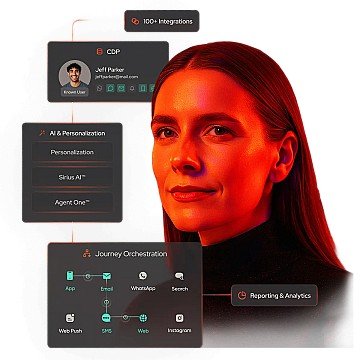
Insider One differentiates its email analytics by shifting from a siloed “email-only” view to an omnichannel, identity-driven approach powered by its native Customer Data Platform (CDP). Unlike traditional Email Service Providers (ESPs) that focus on isolated metrics like opens and clicks, Insider One provides deep visibility into how email impacts the entire customer journey.
The platform consolidates data from multiple channels, including email, SMS, RCS, push notifications, web, and mobile, into a unified dashboard, allowing marketers to track opens, clicks, conversions, and revenue attribution instantly.
Best For: From mid sized companies to large enterprises and omnichannel marketing teams that need a unified view of email and customer engagement across every touchpoint. These teams can also benefit from a full scale CDP, that can personalize the end to end experience of the visitor.
Key Features:
- Unified Real-Time Dashboard:
Insider One aggregates performance metrics from email, web, mobile, SMS, and push notifications in a single, real-time interface. This means you can compare campaign performance side-by-side without switching tools or exporting data. - AI-Driven Segmentation:
The platform automatically identifies high-value customer segments based on behavior, demographics, purchase history, and engagement patterns. This empowers marketers to tailor content for audiences that matter most without manual tagging. - Predictive Personalization:
Insider One uses machine learning to anticipate user preferences and suggest personalized content recommendations. Emails can be dynamically optimized with product suggestions, custom CTAs, and individual behavioral triggers. - Cross-Channel Attribution:
Marketers can see how email campaigns influence user journeys across channels, for example, tracking how an email click leads to web behavior, app engagement, or a purchased order. - Real-Time Optimization:
As soon as a campaign goes live, Insider One provides actionable alerts on performance dips or spikes, enabling teams to adapt subject lines, send times, or audiences in the moment.
2. ActiveCampaign
ActiveCampaign is a good choice for brands that want predictive analytics and flexible workflow automation in one platform. It’s particularly suited for marketers who need to identify high-value prospects and trigger timely, relevant communications.
Best For: Teams that leverage automation and predictive analytics to build sophisticated customer journeys and increase conversions.
Key Features:
- Visual Automation Builder:
With a drag-and-drop interface, ActiveCampaign lets marketers design and modify complex automation flows effortlessly. Conditional paths, behavioral triggers, and real-time performance tracking empower teams to refine campaigns without coding. - Predictive Analytics & Lead Scoring:
ActiveCampaign assigns lead scores to contacts based on their likelihood to engage, helping teams prioritize follow-ups and personalization. These scores help identify warm leads, prioritize follow-ups, and automate personalized content. - Dynamic Segmentation:
Contacts can be grouped into segments that update automatically as they behave, such as clicked links, viewed pages, or purchase status. This ensures that each message reaches the most relevant audience. - Event-Triggered Messaging:
Whether it’s a cart abandonment, milestone event, or inactivity signal, ActiveCampaign can automatically send follow-ups in real time, keeping engagement high and conversion paths active. - Extensive Integrations:
Seamless connections with CRMs, ecommerce platforms, analytics tools, and third-party apps make ActiveCampaign a versatile central hub for real-time data.
3. Mailchimp
Mailchimp is an accessible yet powerful all-in-one email marketing platform. Its simplicity makes it perfect for small teams, while its advanced analytics and automation features support data-driven campaigns.
Best For: Small to mid-sized businesses and teams who want robust analytics without complexity.
Key Features:
- Intuitive Drag-and-Drop Editor:
Mailchimp’s editor allows marketers to build campaign templates easily, helping teams stay agile without reliance on designers or developers. - Workflow Automation & Real-Time Triggers:
Create automated journeys like welcome series, drip campaigns, or re-engagement flows. Mailchimp tracks performance throughout the journey with live metrics so adjustments can be made instantly. - Cross-Channel Analytics:
Mailchimp goes beyond email with analytics that include social and web performance, helping marketers see how campaigns resonate across channels. - Advanced Audience Segmentation:
Marketers can define segments based on behavior, geography, purchase frequency, or custom tags. Segmentation increases relevance, and typically boosts open and click rates. - A/B Testing:
Test subject lines, content blocks, or send times to learn which versions perform better. Mailchimp provides detailed comparison reports for smarter decision-making. - Robust Reporting Tools:
Custom dashboards and automated reports help teams measure campaign health, identify trends, and optimize upcoming sends.
4. HubSpot Marketing Hub
HubSpot Marketing Hub is an integrated marketing solution for data-driven organizations that combines email tracking with social media, SEO, CRM, and e-commerce insights in unified analytics dashboards.
Best For: Marketing teams focused on deep cross-channel analytics and enterprise-level integration.
Key Features:
- Multi-Channel Real-Time Dashboards:
HubSpot brings email performance together with social media, SEO, CRM engagement, paid ads, and web analytics, all in a single real-time view. - CRM-Linked Analytics:
Because email data is connected to the CRM, teams can see how email actions influence opportunities, deals, and revenue. This makes ROI tracking seamless. - Advanced Workflow Automation:
Build automated journeys based on user actions, CRM fields, and behavioral triggers, then monitor performance as contacts move through each stage. - A/B Testing & Experimentation:
Test variations in messaging, layout, or send patterns, and compare performance in real time. - Tiered Flexibility:
HubSpot offers everything from free tools for early-stage teams to enterprise editions built for complex reporting and scalability.
5. Omnisend
Omnisend is good for ecommerce retailers. It offers robust analytics and automation tools designed to help marketers connect engagement to revenue.
Best For: Ecommerce and omni-channel retailers who want revenue-linked performance insights.
Key Features:
- Unified Email, SMS & Web Push Reporting:
Omnisend tracks performance across multiple channels in a single real-time dashboard, allowing marketers to understand engagement holistically. - Ecommerce-Focused Automation Workflows:
Automate sequences such as cart abandonment, browse abandonment, back-in-stock alerts, and post-purchase follow-ups. These workflows come with performance tracking that ties actions back to revenue. - High-Resolution Segmentation:
Target customers based on purchase history, engagement patterns, lifetime value, cart activity, and more. Segmented campaigns drive higher conversions. - Revenue Attribution:
Link email engagement directly to sales outcomes. Easily answer questions like: How many purchases did this campaign drive? What revenue did each segment generate? - List Management & Deliverability Tools:
Omnisend includes list management and deliverability tools that help reduce bounce rates and improve overall inbox health. - 160+ Integrations:
Works with leading ecommerce platforms like Shopify, WooCommerce, BigCommerce, and Magento, ensuring seamless data flow.
Comprehensive side-by-side comparison
| Capability | Insider One | ActiveCampaign | Mailchimp | HubSpot Marketing Hub | Omnisend |
| Real-Time Dashboards | Unified across channels | Detailed automation insights | Email + social + web | Multi-channel view | Email + SMS + web |
| Predictive Analytics | AI-driven models | Lead scoring | Limited | Moderate | E-commerce signals |
| Advanced Segmentation | Behavioral + AI | Dynamic | Standard | Advanced | Behaviour + purchase |
| Workflow Automation | Cross-channel | Robust | Yes | Comprehensive | Ecommerce-optimized |
| A/B Testing | Yes | Yes | Yes | Yes | Basic |
| CRM Integration | Strong | Strong | Moderate | Best | Via plugins |
| Revenue Attribution | Full funnel | Via integrations | Basic | With CRM | E-commerce focus |
| Best For | Enterprise + omnichannel | Predictive automation | SMBs & ease of use | Integrated enterprise analytics | E-commerce retailers |
Selecting the right real-time email analytics platform isn’t just a technical decision; it’s a strategic one. The ideal solution should align with your campaign goals, existing marketing stack, team expertise, and long-term growth plans.
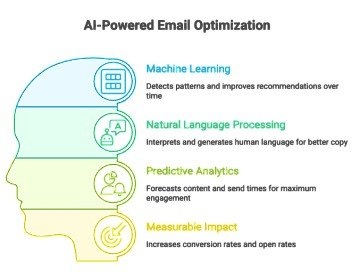
As email marketing analytics becomes more advanced, incorporating AI email segmentation, deliverability monitoring, and cross-channel attribution, marketers must evaluate tools based on integration capabilities, reporting depth, scalability, and user experience.
Below is a practical framework to help you assess platforms side by side:
| Criteria | What to Evaluate | Why It Matters |
| Integration | CRM, ecommerce, API access, automation tools | Ensures seamless data flow and unified reporting |
| Analytics Depth | Real-time metrics, segmentation, A/B testing, deliverability monitoring | Enables data-driven campaign optimization |
| Scalability | Subscriber limits, channel expansion, pricing tiers | Supports long-term growth without disruption |
| User Experience | Dashboard clarity, automation setup, support resources | Accelerates adoption and daily productivity |
Let’s break down each criterion in detail.
Integration with existing marketing stack
Integration is the backbone of effective email marketing analytics. Without seamless connectivity between systems, teams risk fragmented data, inconsistent reporting, and manual workflows.
Marketing stack integration refers to connecting your email analytics platform with CRM systems, ecommerce platforms, advertising tools, and automation software to create a centralized, real-time data flow.
For example:
- ActiveCampaign combines email analytics with built-in CRM capabilities.
- HubSpot offers native CRM and marketing automation integration.
- Omnisend provides extensive e-commerce connectors.
Platforms designed with omnichannel orchestration in mind, such as Insider One, typically unify behavioral data across web, mobile, and messaging channels, allowing email insights to feed into broader customer journey reporting.
When evaluating inte