May 2026: A cross-section of recent ICGEB scientific publications.
From ICGEB Trieste:
Published in Nat Commun: Structural flexibility of the human vault particle revealed by high-resolution cryo-EM and molecular dynamics simulations. Vaults are large structures found in human and other complex cells, but their exact role has remained unclear. This study shows that vaults are flexible and can switch between different shapes, almost like “breathing.” Researchers combined advanced imaging and computer simulations to understand how these shape changes happen. They identified key molecular contacts that help vaults assemble and remain stable. These findings improve understanding of how vaults may transport molecules inside cells.
Published in Semin Cancer Biol: The biology and evolution of Richter transformation in chronic lymphocytic leukemia. Richter transformation is a serious complication where chronic lymphocytic leukemia (CLL) suddenly changes into an aggressive lymphoma. Although uncommon, it is difficult to treat and is linked to specific high-risk genetic changes. Researchers are uncovering how genetic instability and immune system evasion drive this transformation. Evidence suggests the process may begin years before symptoms appear. Better biological understanding and new experimental models could help improve earlier detection and future treatments.
Published in ISME Journal: Advancing microbial ecology, microbiomes, and One Health in Africa: From regional initiatives to pan-African flagship programs. African microbiome research is key to improving health, agriculture, and environmental resilience. Progress is growing, but research remains fragmented and reliant on external support. The study calls for stronger Africa-led collaborations and continent-specific microbiome databases. Improved research capacity and data sharing could improve disease control, food security, and climate-resilient farming. Africa’s rich microbial diversity also offers major potential for new medicines and sustainable agriculture.
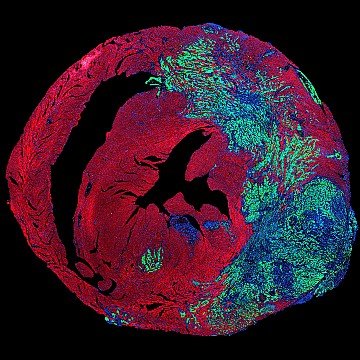
Published in Mol Ther: A reproducible and physiologically relevant human iPSC-derived platform for in vitro modeling of the neurocardiac junction. Researchers developed a new laboratory model that connects human heart cells with nerve cells controlling heart activity. The system successfully reproduced how nerves regulate heart beating and respond to stimulation. The model also showed how drugs such as beta-blockers can modify these heart–nerve interactions. This provides a more realistic way to study how the nervous system influences heart disease. The platform could help improve future research on cardiac disorders and drug development.
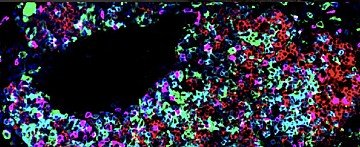
Published in Front Immunol: Proteomic profiling of circulating extracellular vesicles from COVID-19 patients and their impact on innate Vdelta2 T-cell response. Researchers investigated how tiny particles released into the blood during COVID-19 influence the immune system. These particles, called extracellular vesicles, carry signals from infected cells that may affect disease severity. The study focused on their interaction with γδ T cells, important immune cells involved in inflammation and antiviral defense. Scientists compared vesicles from patients with mild and severe COVID-19 to understand how they differ. The findings could help explain why some people develop more serious inflammatory responses during infection.
From ICGEB New Delhi:
Published in J Exp Bot: OsLdh3 interacts with OsGAPC3 and OsLos2 to maintain the glycolytic continuum for tolerance to multiple abiotic stresses in rice. Researchers discovered that a rice enzyme called OsLdh3 helps plants cope better with environmental stresses such as harsh climate conditions. The enzyme improves how rice plants produce and manage energy, helping cells stay balanced under stress. Rice plants engineered to produce more OsLdh3 showed stronger growth, better photosynthesis, and lower damage from harmful molecules. These plants also maintained higher productivity despite stressful conditions. The findings suggest OsLdh3 could help develop climate-resilient rice varieties with more stable crop yields.
Published in Plant Physiol Biochem: Cross-species expression of OsDJ-1C from rice enhances tolerance to salinity and drought stress in tomato. Researchers identified a rice enzyme, OsDJ-1C, that helps plants survive drought and high salt conditions. The enzyme removes a toxic compound that builds up in plants during environmental stress. Tomato plants engineered with this rice gene showed stronger antioxidant defenses and lower cellular damage. These plants also maintained better energy production and respiration under stressful conditions. The findings suggest OsDJ-1C could help develop more climate-resilient crops and support future food security.
From the ICGEB China Regional Research Centre (RRC)
Published in Cell Chem Biol: Engineered pistol ribozymes selectively target KRAS G12V with enhanced efficacy by capping modification. KRAS is a gene that controls cell growth, and mutations in it can drive cancers such as lung, pancreatic, and colorectal cancer. Researchers engineered a special RNA molecule, called a pistol ribozyme, to precisely target one cancer-causing KRAS mutation. Unlike existing approaches, the ribozyme recognises the mutation through its 3D structure, improving accuracy. The study also identified a way to make the ribozyme more stable for potential medical use. These findings highlight the promise of ribozymes as future targeted cancer treatments.