August 7, 2026
Updated August 7, 2026
The High Cost of a Generic Shopping Experience
TL;DR
Learn how an e-commerce product recommendation engine can boost AOV and conversions. Discover the best strategies, types, and why a unified, omnichannel platform is key.
In the hyper-competitive e-commerce arena of 2026, the data is undeniable. Top-tier brands have proven that a deeply personalized customer experience is no longer a luxury—it’s the primary engine for growth. Leading industry reports consistently show that effective personalization can lift revenues by 5-15% and increase marketing spend efficiency by a staggering 10-30%.
Yet, many businesses still treat their customers like strangers. Today’s consumers are fatigued by the digital noise; they’re overwhelmed by infinite-scroll catalogs and frustrated by generic marketing blasts that ignore their purchase history and browsing intent. This friction leads directly to cart abandonment, reduced customer loyalty, and a lower lifetime value (LTV).
This is where a sophisticated product recommendation engine transforms the entire dynamic. It acts as an intelligent, automated personal shopper, cutting through the clutter to create a guided and relevant Customer Journey. Instead of forcing users to search, it proactively surfaces products they’ll love, turning a frustrating hunt into an enjoyable discovery.
But the most forward-thinking brands of 2026 understand a critical truth: this personalized dialogue cannot be confined to your website or app. A truly effective strategy requires a Global Omnichannel Strategy that orchestrates these recommendations across every touchpoint. The goal is to engage customers with timely suggestions via powerful channels like App Push Notifications, interactive WhatsApp messages, and even dynamic mobile wallet passes, creating a seamless and intelligent ecosystem.
What is an E-commerce Product Recommendation Engine?
At its core, an e-commerce product recommendation engine is an advanced AI-powered tool that acts as your brand’s digital personal shopper. It intelligently analyzes vast amounts of customer data—from browsing history and past purchases to real-time on-site behavior—to predict and dynamically display the products a specific user is most likely to buy.
Think of the classic examples that have now become standard practice. Amazon’s pioneering “Customers who bought this also bought…” feature and Netflix’s hyper-personalized “Trending Now” carousels are perfect illustrations. These systems transform a generic catalog into a curated, one-to-one shopping experience that feels uniquely tailored to each individual.
The strategic power behind this technology is its ability to shift marketing from a broadcast, one-to-many model to a precise, one-to-one conversation. Instead of showing every visitor the same generic “Top Sellers” list, a recommendation engine ensures each user sees a selection that resonates with their immediate interests and long-term preferences, dramatically increasing relevance and conversion rates.
In 2026, these recommendations are no longer confined to your website’s homepage. A truly effective implementation is part of a Global Omnichannel Strategy. The same intelligence that powers on-site carousels should also personalize product suggestions within App Push Notifications, dynamic email content, and even proactive messages via WhatsApp Business, creating a consistent and helpful Customer Journey across all touchpoints.
Ultimately, the most powerful recommendation engines are not isolated plugins. They are deeply integrated components of a unified marketing automation platform, where data from every interaction enriches the next, ensuring every recommendation is smarter and more effective than the last.
The Business Impact: Why Your Store Needs a Recommendation Engine
Moving beyond the technical “how,” let’s focus on the strategic “why.” In the hyper-competitive e-commerce landscape of 2026, a product recommendation engine is no longer an optional add-on; it is a core component of your digital growth engine. Implementing an intelligent system delivers a powerful, measurable return on investment across the entire Customer Journey.
By treating recommendations as a strategic asset, you unlock tangible business outcomes that directly impact your bottom line. Let’s break down the most critical benefits.
1. Skyrocket Average Order Value (AOV) and Revenue
The most immediate impact of a well-tuned recommendation engine is a significant lift in AOV. By strategically presenting relevant products, you seamlessly integrate cross-selling and up-selling opportunities directly into the shopping flow.
Sophisticated AI models, now standard in 2026, go beyond simple “customers who bought this also bought” logic. They analyze real-time behavior to predict future needs, suggesting higher-value alternatives (up-sells) or complementary items (cross-sells) that genuinely enhance the customer’s purchase, directly increasing cart value before checkout.
2. Deliver Hyper-Personalized Customer Experiences
Today’s consumers expect brands to understand them on an individual level. Generic, one-size-fits-all marketing is a relic of the past. A recommendation engine is your primary tool for delivering the 1:1 personalization that builds brand affinity and reduces shopper friction.
By dynamically tailoring product discovery to each user’s unique browsing history, purchase data, and real-time intent, you create a shopping experience that feels curated and intuitive. This makes customers feel seen and valued, transforming a transactional visit into a memorable brand interaction.
3. Drive Higher Conversion Rates
Analysis paralysis is a major cause of cart abandonment. When customers can’t find what they’re looking for, they leave. Recommendation engines solve this by acting as a personal shopper, guiding users to relevant products they might have otherwise missed.
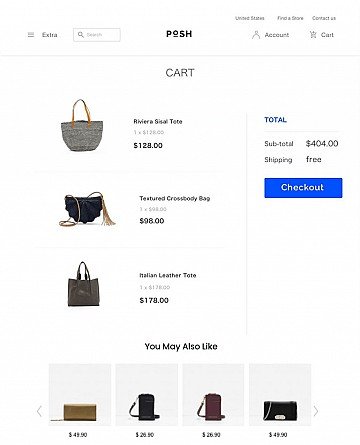
This streamlined discovery process shortens the path to purchase. By surfacing the right product at the right moment—whether on the homepage, a product page, or even in the cart—you increase the likelihood of a user clicking “Add to Cart” and completing their transaction.
4. Cultivate Loyalty and Maximize Lifetime Value (LTV)
The long-term value of a recommendation engine is its ability to foster loyalty. A positive, personalized experience is a key driver of repeat business. But in an omnichannel world, this experience must extend beyond your website.
Integrating your recommendation logic into a Global Omnichannel Strategy is crucial. Imagine sending an App Push Notification with personalized suggestions for a recently viewed item, or a WhatsApp message highlighting new arrivals based on past purchases. Platforms that unify web recommendations with mobile and messaging channels allow you to orchestrate these touchpoints, creating a cohesive Customer Journey that keeps users engaged and maximizes their LTV.
5. Unlock Deeper Customer Insights
Every click on a recommended product is a valuable data point. The analytics generated by your recommendation engine provide a powerful feedback loop, offering deep insights into customer behavior, product affinities, and emerging market trends.
This intelligence is invaluable. It can inform your inventory management, guide your merchandising strategy, and fuel future marketing campaigns. By understanding which products resonate with specific customer segments, you can make smarter, data-driven decisions that propel your entire business forward.
Boost Average Order Value (AOV) and Revenue
While acquiring new customers is essential, maximizing the value of each transaction is the key to sustainable profitability in 2026. Product recommendation engines are not just a user experience enhancement; they are strategic assets designed to directly increase your Average Order Value (AOV) and overall revenue.
This is achieved primarily through two time-tested tactics, supercharged by modern AI: up-selling and cross-selling. Up-selling involves encouraging a customer to purchase a more premium or upgraded version of the product they are considering, while cross-selling suggests complementary items that enhance their primary purchase.
By strategically placing these suggestions at critical decision points—on the product page, in the cart, or during checkout—you transform a single-item purchase into a more valuable, comprehensive solution for the customer. Common and highly effective recommendation models include:
- Frequently Bought Together: This classic cross-selling technique bundles complementary products, often with a slight incentive. For example, suggesting a protective case and wireless charger to a customer who adds a new smartphone to their cart.
- Complete the Look: A staple in fashion and home goods, this model suggests items that pair stylistically with the product being viewed. In 2026, AI can now generate these looks based on real-time trends and the user’s specific style profile.
- Premium Upgrades: This up-sell tactic showcases higher-tier versions of a product, clearly highlighting the added benefits like more storage, faster performance, or extended warranties, empowering customers to make a value-based decision.
A truly effective Global Omnichannel Strategy extends these AOV-boosting tactics beyond your website. Imagine a customer abandons their cart; a follow-up message via App Push or WhatsApp can not only remind them of their item but also include a compelling cross-sell offer to entice them back.
Orchestrating these personalized up-sell and cross-sell triggers across every touchpoint is a complex task. Seamlessly connecting your on-site recommendation engine with your communication channels requires a unified platform, ensuring the right offer reaches the right customer on the right channel, precisely when it will have the most impact on your bottom line.
Increase Conversion Rates
In the hyper-competitive e-commerce landscape of 2026, the primary goal is clear: turn browsers into buyers. Product recommendation engines are a direct-line strategy to achieving this, acting as a powerful catalyst for conversion by fundamentally improving the customer’s path to purchase.
The core function of a recommendation engine is to reduce friction in the buying process. Instead of forcing users to navigate endless category pages or rely on imprecise search queries, AI-driven suggestions instantly surface the products they are most likely to want. This seamless discovery process shortens the time from landing on your site to adding an item to the cart, dramatically increasing the probability of a completed sale.
Beyond simple convenience, personalized recommendations are instrumental in overcoming purchase hesitation. When a customer sees suggestions that align perfectly with their browsing history, past purchases, and real-time behavior, it creates a powerful sense of validation. This “just for you” experience builds trust and confidence, often providing the final nudge needed to move from consideration to conversion.
A truly effective strategy extends these recommendations beyond your website. Integrating them into your Global Omnichannel Strategy means you can re-engage users with relevant product suggestions via App Push Notifications, Web Push, or even conversational WhatsApp messages. A platform like indigitall allows you to orchestrate these touchpoints as part of a cohesive Customer Journey, ensuring your recommendations drive conversions wherever your customer is.
Enhance Customer Experience and Loyalty
In the competitive e-commerce landscape of 2026, product recommendations have evolved far beyond a simple sales tactic. Today’s consumers expect a curated, value-added service that simplifies their discovery process. A powerful recommendation engine acts as a personal shopper, anticipating needs and introducing customers to products they genuinely love.
This shift from selling to serving is fundamental to building lasting relationships. When recommendations are accurate, timely, and context-aware, they send a powerful message: “We understand you.” This sense of being understood fosters a deep brand affinity that transforms one-time buyers into loyal advocates, significantly maximizing customer lifetime value (LTV).
True loyalty, however, is built across every touchpoint. A Global Omnichannel Strategy ensures this personalized understanding isn’t confined to your website. Imagine a customer abandoning a cart with a specific style of shoe. An intelligent system can follow up not just with an email, but with a highly relevant WhatsApp message showcasing similar new arrivals, or an App Push Notification when that item is back in stock in their size.
Orchestrating these sophisticated, real-time interactions across the entire Customer Journey is the hallmark of a market leader. By leveraging a unified platform, brands can ensure the same AI-driven intelligence that powers on-site recommendations also informs their outbound messaging. This creates a seamless and consistently delightful experience that keeps customers engaged and loyal, regardless of the channel they use.
Types of E-commerce Product Recommendations
Behind every effective product recommendation is a sophisticated model powered by data and artificial intelligence. While the underlying technology is complex, understanding the primary types of recommendation engines helps marketers and product owners strategize how to best deploy them. In 2026, these models are rarely used in isolation; instead, they are blended to create a powerful, context-aware user experience.
Let’s explore the foundational models and how they drive results for the modern customer.
- Collaborative Filtering: “People like you also bought…”This is one of the most popular and effective models. It operates on the principle of social proof, analyzing the behavior of large groups of users to find patterns. If Customer A and Customer B have similar purchase histories, the engine assumes they have similar tastes and will recommend items that Customer A bought but Customer B has not yet seen.
The customer-facing outcome is a sense of discovery guided by a community of peers. It’s excellent for cross-selling and up-selling by showing what items are frequently purchased together, like a camera case and a memory card with a new camera.
- Content-Based Filtering: “Because you liked this…”This model focuses on the attributes of the products themselves rather than the behavior of other users. It recommends items that are similar to what a user has previously purchased, viewed, or added to their cart. The similarity is based on attributes like category, brand, color, price point, or other defined tags.
This approach excels at creating a deeply personalized experience tailored to an individual’s specific tastes. If a user shows a strong affinity for a particular brand or style, content-based filtering ensures they see more of what they already love, strengthening brand loyalty.
- Hybrid Models & Context-Aware AI: The 2026 StandardModern e-commerce platforms have moved beyond single-model systems. Hybrid models combine the strengths of collaborative and content-based filtering (among other signals) to provide more accurate, relevant, and resilient recommendations. This approach overcomes the “cold start” problem, where it’s difficult to make recommendations for new users or new products with no interaction history.
Evolving this further, Context-Aware AI is the true game-changer. It enriches the hybrid model with real-time contextual data: the user’s location, time of day, device, and even external factors like weather. This allows for hyper-personalized suggestions that feel incredibly timely and intuitive, such as promoting umbrellas on a rainy day or suggesting quick-pickup items when a user is near a physical store.
From Website Widgets to Omnichannel Journeys
The power of these recommendation models is truly unlocked when they break free from the confines of your website. A robust Global Omnichannel Strategy uses this intelligence to power communications across every touchpoint, creating a unified and persistent conversation with the customer.
Imagine a user who browses for a product on your app but doesn’t buy. An automated Customer Journey, orchestrated from a unified platform like the indigitall console, can trigger a follow-up message on a different channel. This could be a Push Notification showcasing “Top sellers from that category” or a WhatsApp message with “Products frequently bought with the item you viewed.”
By leveraging an all-in-one solution, you ensure your recommendation AI is fed by a constant stream of interaction data from your app, web, wallet, and messaging channels. This creates a virtuous cycle where every customer interaction, on any channel, makes the next recommendation smarter, driving higher engagement and maximizing lifetime value.
Collaborative Filtering (‘Customers Also Bought’)
Collaborative filtering is a powerful recommendation model that operates on a simple yet profound principle: the wisdom of the crowd. Instead of analyzing a product’s intrinsic features, it analyzes the behavior and preferences of large groups