Autonomy for Teams, Office on desktop, a fresh take on Photos
Explore what’s new in the release blog!
A year ago, Danish organizations came to our first Nextcloud Enterprise Day in Copenhagen with questions. This year, many of them brought concrete projects. Municipalities, universities and other public organisations discussed how they can reduce their dependency on US Big Tech.
Growing demand in Denmark
Denmark is one of the most digitized countries in Europe. However, it depends heavily on a few non-European providers for email, documents, video calls, and cloud storage. For years, that dependency went largely unquestioned. In 2026, it is a topic for city councils, company CEOs, and national ministries.
The numbers from our second Nextcloud event in Copenhagen reflect the increasing interest in digital sovereignty. More than 140 participants joined the event at Tivoli Hotel & Congress Center, almost double the audience at the first Nextcloud Enterprise Day Copenhagen in 2025. They came from a range of sectors, like the public sector, private companies, universities, and research institutions.
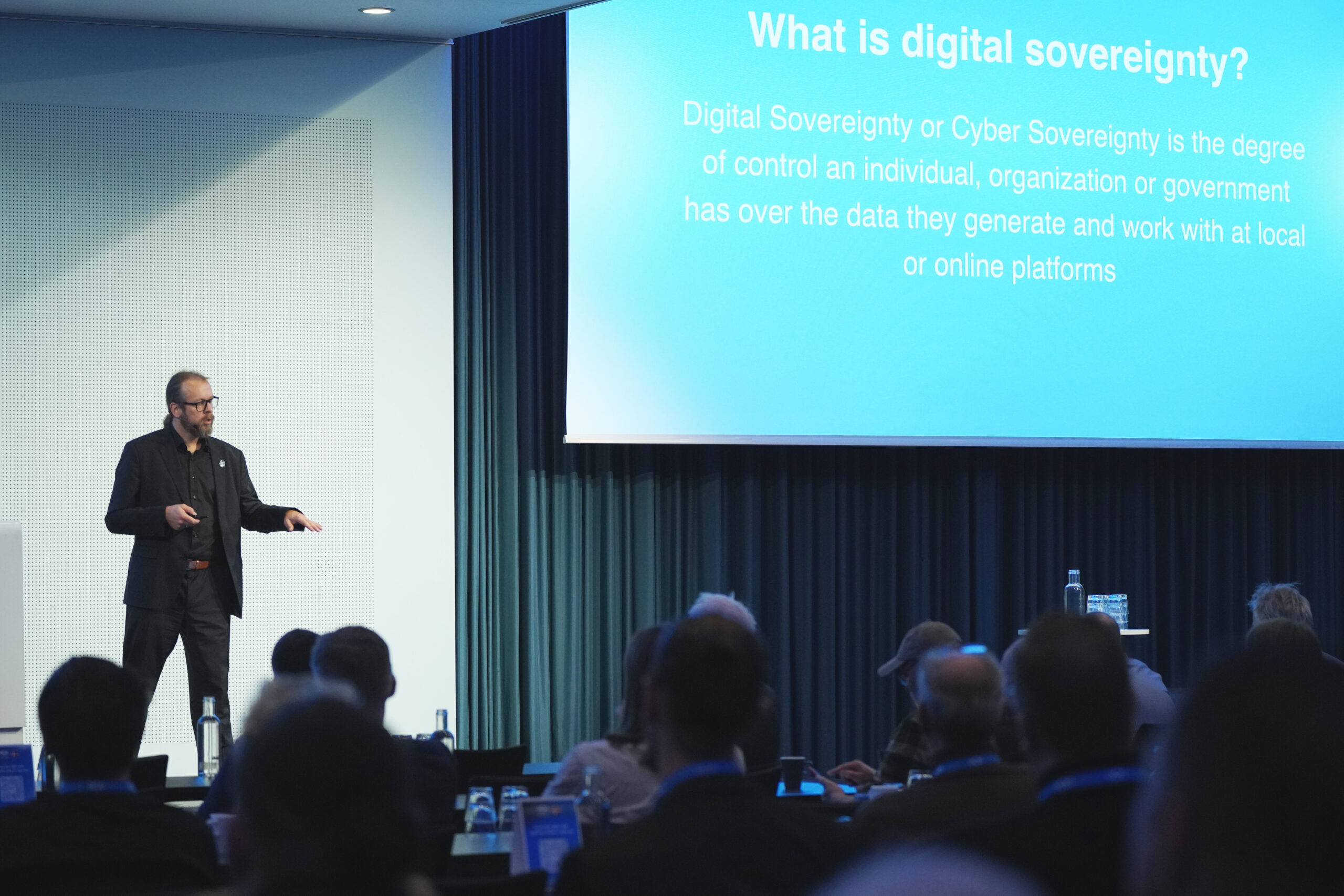
Oliver Blind-Galties, Nextcloud VP Sales, opened the day with a keynote and discussed the future of digital sovereignty.
The only option for digital sovereignty are open source applications running on top of open source infrastructrure operated by a European organisation.
Oliver Blind-Galties,
VP Sales at Nextcloud
Sovereignty as a security and competitiveness question
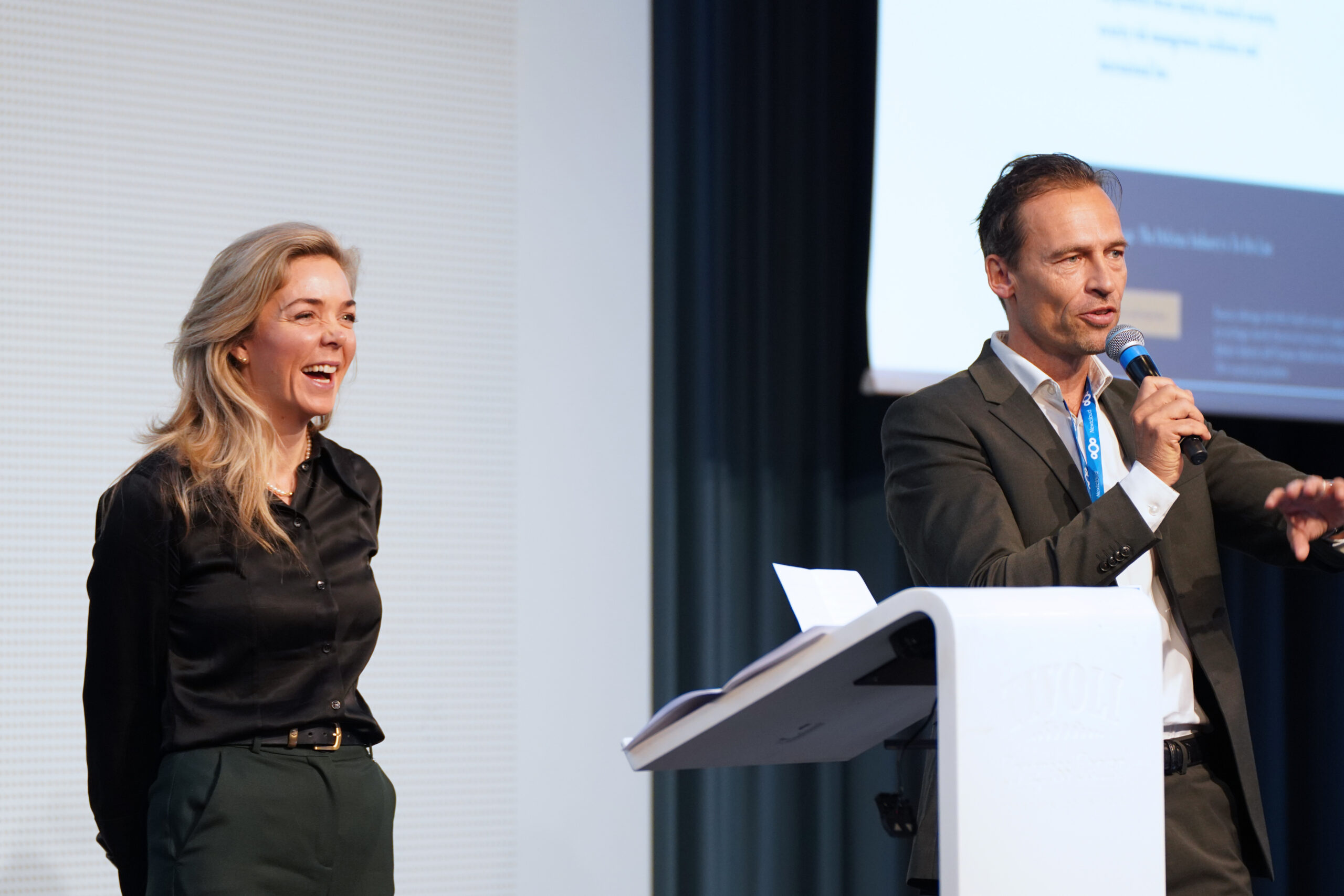
The keynote by Christina Kjær, Senior Director of Research and Strategic Initiatives at the Danish business think tank Erhvervslivets Tænketank, and Anders Henriksen, founder of Copenhagen Intelligence and former Head of Counterintelligence at the Danish Security and Intelligence Service (PET), set the tone for the day.
They looked at digital sovereignty from two angles that rarely meet on one stage: business competitiveness and national security.
Examining the technology stack (from data and AI to raw materials, energy, and water), it is clear that Denmark is heavily dependent on non-European countries, primarily the US and China. Having identified these dependencies, organizations in sensitive industries in particular must consider de-risking strategies, such as finding European alternatives, diversifying supply chains, and prioritizing functionality in the event of supplier failure.
DTU Computerome and Nextcloud: an opportunity for Danish municipalities
At the event, Nextcloud and DTU Computerome, the IT service provider associated with the Technical University of Denmark, presented their new partnership. Together, they offer Danish organizations a complete collaboration platform: file sharing, document editing, calendar, chat, video meetings, and an AI assistant.
DTU Computerome hosts and manages the Nextcloud instances on Danish infrastructure. The service is GDPR- and NIS2-compliant and runs under the customer’s control. DTU Computerome also has a significant presence in the healthcare industry, managing over 100 health data projects nationwide.
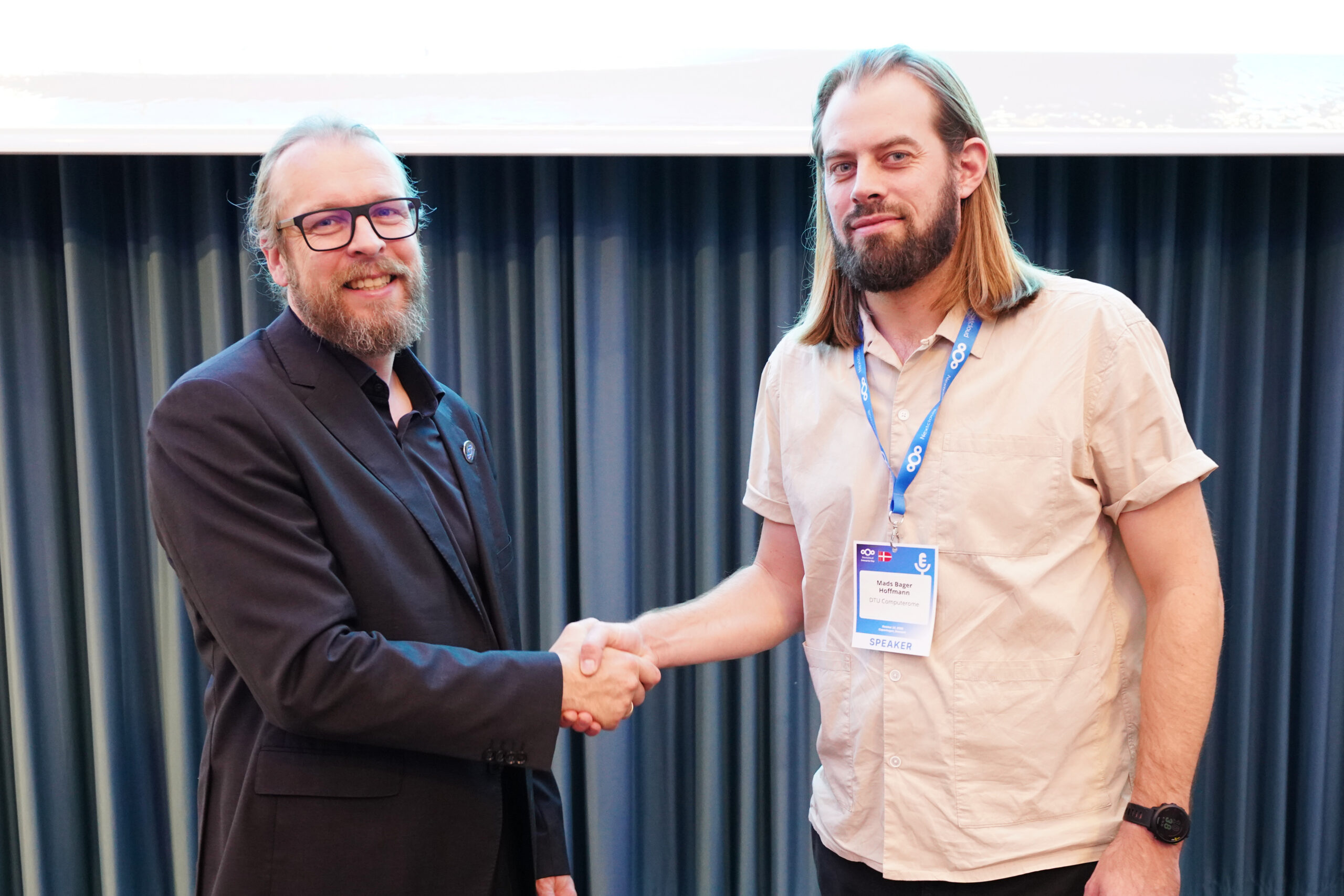
Mads Bager Hoffmann, COO of DTU Computerome, explained why DTU Computerome and Nextcloud fit together and why open source is a key shared value. Over the past decade, DTU Computerome has built a governance model for IT infrastructure designed to handle highly sensitive data.
Danish organizations need alternatives that are proven, reliable, and fully compliant. With this partnership, DTU and Nextcloud are offering a complete collaboration platform running on Danish infrastructure and under Danish control. It’s a strong, genuine alternative to the solutions that dominate the market today.
Our cloud is built on open source – one huge strengh of it is you have access to the open source community. You don’t have to build everything by yourself.
Mads Bager Hoffmann
COO at DTU Computerome
Ishøj: a hybrid path away from Big Tech
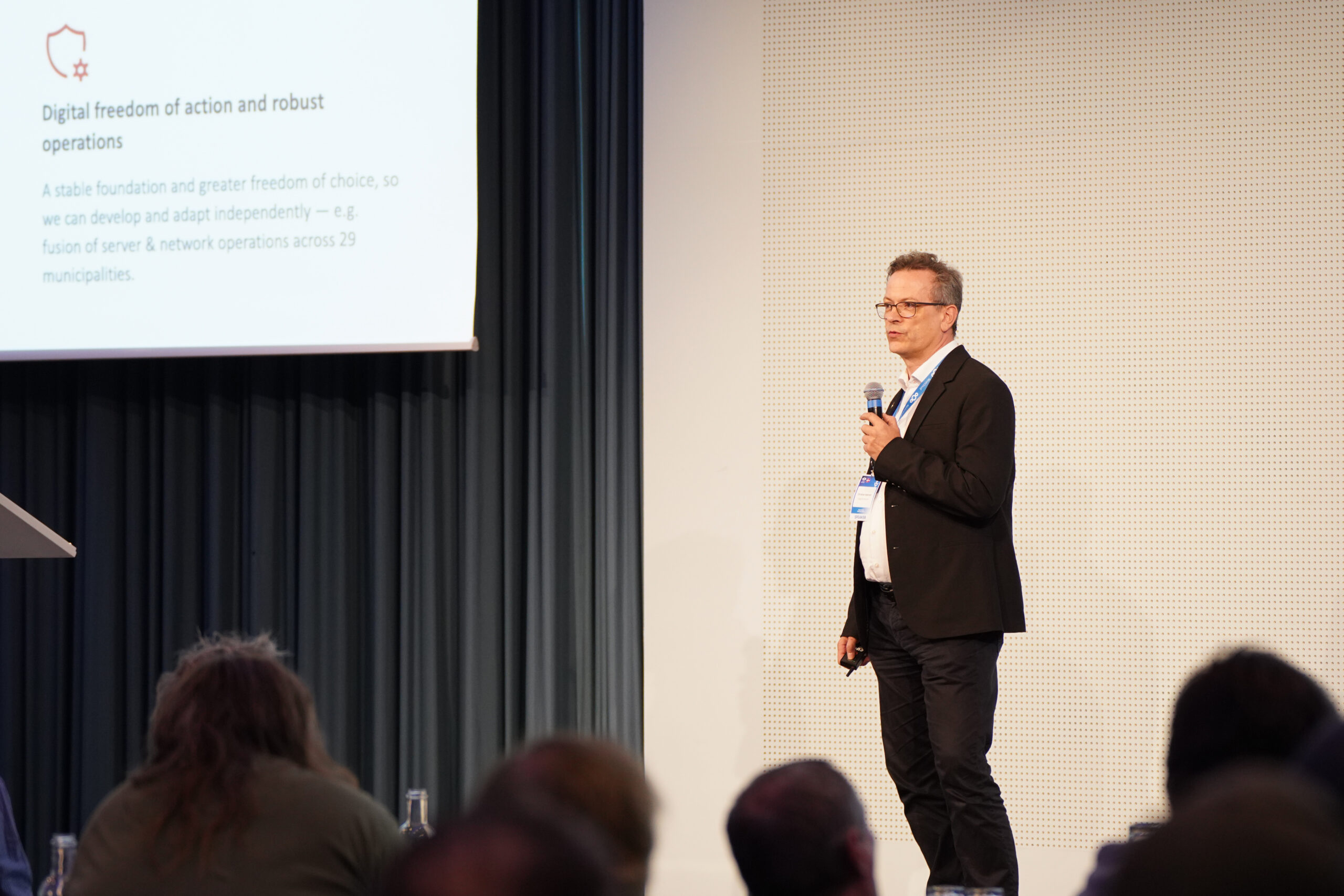
Ishøj Municipality is one of the Danish frontrunners that have chosen open source solutions. CIO Christian Koerner showed how the municapility runs Microsoft and Nextcloud with Euro-Office side by side.
This approach is important because it addresses a common concern: that leaving Big Tech means replacing everything at once. The first step was to introduce LibreOffice as a parallel solution. Now, more and more Nextcloud modules are rolling out to some users: Groupware (Mail, Calendar, Contacts), Talk, and Files. The municipality also plans to introduce Euro-Office.
By doing this, we have gained a lot: freedom of action, new skill profiles and even some savings. So lean into it, try it out, and you will realise that switching from Microsoft to Nextcloud is not so difficult.
Christian Koerner
CIO at Ishøj
Practical sessions: migration without disruption
In the afternoon, two breakout tracks covered the practical side of switching. Partners showed how organizations can move away from Jira, Confluence, Projectplace and Microsoft without losing data or breaking workflows.
Speakers included Danish open source company Magenta, project management provider OpenProject