A three-day ICGEB and CSIR meeting develops a roadmap for African-led genomics research, capacity and health applications.
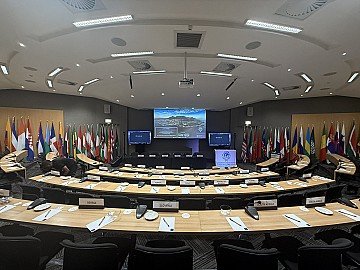
The International Centre for Genetic Engineering and Biotechnology (ICGEB) and South Africa’s Council for Scientific and Industrial Research (CSIR), in partnership with the Department of Science, Technology and Innovation (DSTI), convened a high-level meeting on Harnessing African Genetic Diversity as a Global Resource for Public Health from 7 to 9 October 2026 at the CSIR International Convention Centre in Pretoria.
Africa has the greatest human genetic diversity in the world, yet African genomic data remain substantially underrepresented in global databases. The meeting examined how African-led research, infrastructure and partnerships can close this gap and translate knowledge of human genetic diversity into better diagnostics, therapeutics and public-health outcomes in Africa and globally.
The meeting builds on work undertaken during South Africa’s G20 Presidency through the Research and Innovation Working Group. ICGEB and CSIR served as knowledge partners to the South African Government on the deliverable Building African Science Capacity to Better Understand Africa’s Human Genetic Diversity as a Resource for Improving African and Global Public Health. The Pretoria meeting moved that work forward by identifying practical gaps, opportunities and priorities for action.
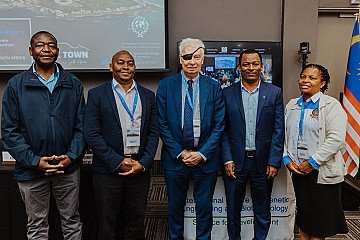
Scientists, public officials, research funders, international organisations and technology partners from Africa and other regions took part. The programme included the keynote address from South Africa’s Minister of Science, Technology and Innovation, Prof Blade Nzimande, and contributions from CSIR Chief Executive Officer Dr Thulani Dlamini; ICGEB Director-General Dr Lawrence Banks; South African Medical Research Council President and Chief Executive Officer Prof Ntobeko Ntusi; Johns Hopkins University geneticist Prof Ambroise Wonkam; and researchers and institutional leaders working across human genetics, pharmacogenomics, rare disorders, cancer genomics, sickle cell disease and gene therapy.
During the keynote address, Minister Nzimande called for a model in which Africa is more than a mere source of data, and a full partner in setting research agendas, generating knowledge, and developing technologies, highlighting the importance of strengthening Africa’s scientific sovereignty through investment in expertise, research infrastructure, computing capacity, biobanks, ethical frameworks and regulatory systems.
The first day set out the current landscape of human genomics research in Africa and its implications for health. The second day examined the value of African genetic diversity, leading research initiatives and the capacity needed to expand genomics research. On the final day, participants worked in groups and reported back on proposed next steps, with the aim of defining a shared roadmap.
Discussions addressed the conditions needed for African ownership and use of genomic data and resources, as well as international support for research capacity, infrastructure, funding, model systems and the development of African-led therapeutics and diagnostics. The meeting also considered how collaboration can support equitable precision medicine while ensuring that African priorities guide the research agenda.
Next steps will be the development of a Roadmap for African-led genomics research, capacity and health applications, which will be presented to the Hon. Minister Prof Blade Nzimande and DSTI for further high-level strategic discussions.