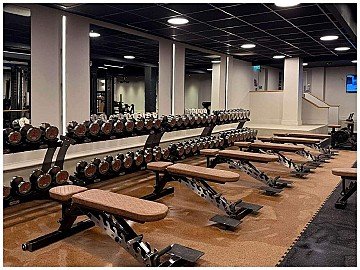
Impact noise in gyms: understanding the problem and choosing the right solution
Impact noise in gyms: understanding the problem and choosing the right solution
In recent years, gyms have moved far beyond industrial parks and stand-alone warehouses. Today, fitness facilities can be found beneath residential apartments, next to coworking spaces, inside shopping centres, and even on the top floors of high-rise buildings. While this shift offers convenience and accessibility, it also brings a major challenge: noise.
From dropped weights to cardio machines and high-intensity classes, gyms are loud environments by nature. But without proper sound insulation, that noise can spill into neighbouring spaces, leading to discomfort, complaints, and even legal or structural consequences.
In this article, we’ll explore the types of noise generated in gyms, why it’s especially problematic, and how specialised acoustic flooring from Pavigym can help you manage it — no matter your layout or budget.
Why noise matters in fitness facilities
When someone drops a heavy barbell or performs repetitive jumps, the sound doesn’t just stay in the room — it travels. And depending on the materials used in the building, that noise can pass through floors, walls, and ceilings, disturbing anyone who shares the structure: neighbours, hotel guests, employees in nearby offices, or even tenants in adjacent flats.
Here’s why that’s a big deal:
- Neighbour complaints can lead to restrictions, forced schedule changes, or worse — contract terminations.
- Structural stress from repeated impact vibrations can cause long-term damage to the building’s foundations or finishes.
- Brand image can suffer if a facility is seen as disruptive or poorly insulated, particularly in high-end or mixed-use spaces.
- Legal exposure in countries where noise limits are regulated by law or tenancy agreements.
In short: controlling noise isn’t just about comfort — it’s about protecting your business, your space, and your reputation.
The three main types of gym noise
To effectively manage gym noise, it’s important to first understand what kinds of sound we’re dealing with.
- Airborne noise: This is the sound we hear directly through the air: music, voices, the impact of footsteps, or instructions from group fitness sessions. It travels through the air, hits walls or ceilings, and can be reduced with typical soundproofing techniques like acoustic panels or insulated partitions. Why it matters: Airborne noise affects internal ambience and neighbouring areas. In hotels or wellness spaces, it can interfere with the user experience or disturb guests.
- Structure-borne noise: This type of noise originates from vibrations within the building structure itself — for example, from treadmills, cable machines, or equipment with motors. Those vibrations transfer into the walls, floors, or supports and travel far beyond the point of origin. Why it matters: Structure-borne noise is harder to isolate and can cause more frustration over time, as it “leaks” through solid materials.
- Impact noise: A subset of structure-borne sound, impact noise occurs when energy is transferred directly into the floor — from dropped weights, jumps, or even fast-paced dynamic movements. This is the most common and disruptive form of noise in gyms. Why it matters: Impact noise is deep, low-frequency, and travels directly into the building structure. It is difficult to block once it spreads and can lead to building damage, legal claims, or forced architectural modifications.
The role of frequency in acoustic planning
Noise isn’t only about how loud it is — it’s also about frequency. High-pitched sounds are easier to dampen. But low-frequency noise (like a heavy barbell hitting the ground) travels further, vibrates more, and is harder to control.
Humans begin to perceive sound at around 20 Hz, but gym equipment and activity can produce vibrations as low as 10 Hz — well below our audible range. Even if you don’t “hear” it, your neighbours might feel it.
That’s why your flooring solution must be able to absorb and isolate low-frequency vibration — not just deaden noise on the surface.
How to prevent noise in gyms: acoustic flooring
Most conventional gym floors (rubber tiles, wood platforms, concrete) do little to reduce low-frequency or impact noise. They may look strong, but they transfer energy directly into the building structure.
Acoustic flooring, however, is engineered not just for durability, but for sound absorption. It includes multiple layers or modules that deform under impact, dispersing energy and preventing it from travelling further.
Pavigym: acoustic flooring for every need
At Pavigym, we’ve developed a full range of acoustic flooring systems tailored specifically for gyms — covering different training zones, construction types, and budgets.
- BigJag: Our most advanced acoustic solution, BigJag is the first gym flooring system installed in fully independent 1m² modules. It provides maximum insulation against the vibration and impact noise caused by dropped weights — ideal for free weight areas and multi-storey gyms. Discover BigJag
- Jag: Jag follows the same modular installation logic as BigJag, with effective acoustic protection for strength zones — but in a more streamlined, cost-efficient format. A smart choice for gyms looking to balance performance and affordability. Explore Jag
- Acoustic Layers: These are adaptable underlayer systems that combine with Pavigym’s standard surfaces to meet specific noise requirements — perfect for multi-use areas or when building constraints limit flooring thickness. Learn more about Acoustic Layers
Practical benefits of acoustic flooring
Investing in the right acoustic flooring doesn’t just solve a technical problem — it creates value:
- Member comfort in quieter, more focused training spaces
- Protection of the building and long-term infrastructure
- Compliance with regulations and tenant requirements
- Lower maintenance costs over time
- Flexibility in design, installation, and future layout changes
Don’t let noise limit your potential
In modern gyms, noise is not optional — it’s a priority. Whether you’re building inside a hotel, shopping centre, office building or residential block, taking acoustic isolation seriously can protect your business and enhance the training experience.
Pavigym offers solutions for every layout and every budget — so you can train hard, without the fallout.
Sound control starts from the floor.