Blog
Introduction to RCS Marketing
Remember the days of T9 predictive text on your old Nokia phone? Typing out messages like “C U L8R” was a chore, but it felt revolutionary at the time. Fast forward to today, and it’s surprising to realize that the same basic technology—SMS (Short Message Service)—is still the backbone of most business texting. While SMS has been a reliable workhorse for decades, it’s starting to show its age in a world that demands richer, faster, and more secure communication.
SMS was designed in the 1980s, long before smartphones, apps, or even the internet as we know it existed. It’s limited to 160 characters of plain text, lacks encryption, and offers no support for multimedia or interactivity. These limitations create real problems for businesses and consumers alike. For example, SMS messages are vulnerable to security risks like spoofing and phishing, making them a less-than-ideal channel for sensitive communications. On top of that, the lack of rich media or interactive features means businesses can’t fully engage their audiences, leading to lower open rates and missed opportunities.
It’s clear that SMS needs a modern replacement—one that keeps up with today’s expectations for seamless, secure, and engaging communication. Enter RCS (Rich Communication Services), the next-generation messaging protocol that’s set to revolutionize how businesses connect with their customers. With RCS, gone are the days of plain text and clunky interfaces. Instead, businesses can send interactive, visually rich messages that feel more like a conversation than a broadcast.
In this guide, we’ll explore everything you need to know about RCS marketing, from what it is and how it works to why it’s the future of business messaging. Whether you’re a marketer looking to boost engagement or a business owner seeking better ways to connect with your audience, RCS is the upgrade you’ve been waiting for. Let’s dive in!
What is RCS? What Does RCS Stand For?
RCS, or Rich Communication Services, is an advanced messaging protocol designed to replace the outdated SMS (Short Message Service) with a more modern, feature-rich experience. Think of it as the next evolution of texting—a messaging platform that combines the simplicity and universality of SMS with the enhanced capabilities of app-based messaging like WhatsApp or iMessage.
The name Rich Communication Services perfectly encapsulates its purpose: to bring richer, more dynamic communication to the world of messaging. Unlike traditional SMS, which is limited to plain text and 160 characters, RCS delivers a more immersive and interactive experience. It was developed in the late 2000s by the GSM Association (GSMA), the organization representing mobile network operators worldwide. The goal was to create a modern messaging standard that could keep up with the rapid advancements in mobile technology and user expectations.
While SMS had served its purpose for decades, it was clear that a more robust solution was needed to compete with the growing popularity of app-based messaging platforms like WhatsApp and Facebook Messenger. RCS was designed to modernize text messaging by incorporating features that users had come to expect from messaging apps, such as:
- Rich media support (images, videos, GIFs, and audio files).
- Interactive elements (clickable buttons, carousels, quick replies, and even in-chat payment options).
- Enhanced group chat capabilities.
- Read receipts and typing indicators.
- End-to-end encryption for improved security.
These features make conversations more dynamic and engaging, whether you’re chatting with friends or interacting with a business. RCS is designed to work seamlessly on modern smartphones and messaging apps, making it accessible to a wide audience.
However, there are some challenges when it comes to cross-platform compatibility. While RCS is widely supported on Android devices (thanks to Google’s adoption of the technology), Apple has yet to fully integrate RCS into its iMessage ecosystem. This creates a gap in the user experience, as iPhone users currently miss out on RCS features when messaging Android users. Despite this, RCS adoption is growing rapidly, and industry experts believe Apple will eventually embrace the technology to ensure a more unified messaging experience.
One of the most significant roles of RCS is bridging the gap between SMS and app-based messaging. While SMS is universal but limited, and app-based messaging is feature-rich but fragmented, RCS offers the best of both worlds. It provides the reach and accessibility of SMS while delivering the rich, interactive experience of messaging apps. For businesses, this means being able to connect with customers in a more meaningful way, without requiring them to download a separate app.
Over the years, RCS has gained significant traction, with major players like Google championing its adoption. Google’s integration of RCS into its Android Messages app has been a game-changer, bringing the technology to millions of users worldwide. While challenges remain—such as Apple’s reluctance to fully support RCS on iPhones—the momentum behind RCS continues to grow, signaling a bright future for this next-generation messaging standard.
In essence, RCS is the future of messaging—a powerful tool that transforms how we communicate, both personally and professionally. It’s not just an upgrade to SMS; it’s a complete reimagining of what messaging can be.
What is RCS Marketing?
RCS marketing is the use of Rich Communication Services (RCS) technology for business communication and marketing campaigns. It represents a significant leap forward from traditional SMS marketing, enabling businesses to send interactive, visually appealing messages that captivate customers and drive meaningful engagement.
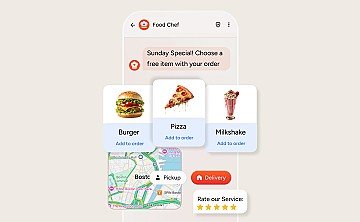
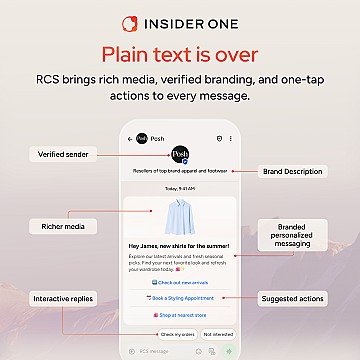
At its core, RCS marketing allows businesses to go beyond plain text and deliver rich, dynamic content directly to their customers’ messaging apps. This includes high-resolution images, videos, GIFs, and audio files, all of which can be embedded directly into the message. But RCS doesn’t stop at rich media—it also introduces interactive elements like clickable buttons, carousels, and quick replies. These features transform static messages into engaging experiences, enabling customers to take actions like booking appointments, making purchases, or responding to surveys without ever leaving the chat.
Key Features of RCS Marketing
- Rich Media Support:
- Send visually compelling content like product images, promotional videos, or animated GIFs to grab attention and convey your message effectively.
- Interactive Elements:
- Use buttons, carousels, and quick replies to create two-way conversations. For example, a restaurant could send a menu with clickable options for reservations or a retailer could showcase products in a swipeable carousel.
- Enhanced Analytics and Tracking:
- Gain deeper insights into campaign performance with metrics like open rates, click-through rates, and customer responses. This data helps businesses optimize their messaging strategies for better results.
Benefits of RCS Marketing for Businesses
- Higher Engagement Rates:
- The interactive and visually rich nature of RCS messages captures attention more effectively than traditional SMS, leading to higher open and response rates.
- Improved Customer Experience:
- RCS allows businesses to provide a seamless, app-like experience within the messaging app. Customers can interact with brands in real-time, making the process more convenient and enjoyable.
- Increased Conversion Rates:
- By enabling direct actions like purchases or bookings within the message, RCS reduces friction in the customer journey, leading to higher conversion rates.
For example, a travel agency could use RCS marketing to send a personalized message with a video of a dream destination, interactive buttons for booking, and quick replies for customer inquiries. This not only enhances the customer experience but also drives measurable results for the business.
In short, RCS marketing is a game-changer for businesses looking to elevate their communication strategies. It combines the reach of SMS with the engagement of app-based messaging, creating a powerful tool for building stronger customer relationships and driving business growth.
How Does RCS Marketing Work
RCS marketing leverages the advanced capabilities of Rich Communication Services (RCS) to deliver interactive, visually rich messages directly to customers’ messaging apps. But how does it actually work behind the scenes? Let’s break it down.
The Technical Process of Sending RCS Messages
- Message Creation:
- Businesses design RCS messages using specialized platforms or tools that support RCS features. These messages can include rich media (images, videos, GIFs), interactive elements (buttons, carousels, quick replies), and personalized content.
- Message Delivery:
- Once the message is created, it is sent through an RCS-enabled platform or service provider. These platforms act as intermediaries, ensuring the message is formatted correctly and delivered to the recipient’s device.
- Carrier and Device Compatibility:
- The message is routed through the recipient’s mobile carrier, which must support RCS technology. The recipient’s device also needs to be RCS-compatible, meaning it runs on an operating system (like Android) and uses a messaging app (like Google Messages) that supports RCS.
- Customer Interaction:
- When the message arrives, the recipient sees it in their messaging app as a rich, interactive experience. They can engage with the content—click buttons, swipe through carousels, or reply directly—all within the same chat window.
-
Analytics and Tracking:
-
Businesses can track the performance of their RCS campaigns using built-in analytics. Metrics like open rates, click-through rates, and response rates provide valuable insights to optimize future campaigns.
-
Examples of RCS Marketing Campaigns
-
Appointment Reminders:
-
A healthcare provider sends an RCS message to remind a patient of their upcoming appointment. The message includes a video explaining what to expect, a button to confirm or reschedule, and a quick reply for questions.
-
-
Product Promotions:
-
A retail brand sends a carousel of new products with high-resolution images, prices, and “Buy Now” buttons. Customers can browse the products and make purchases directly within the message.
-
-
Customer Support:
-
A telecom company uses RCS to provide real-time support. Customers receive a message with troubleshooting tips, a button to chat with an agent, and a quick reply to check their account balance.
-
-
Event Invitations:
-
A concert organizer sends an interactive RCS message with a video trailer, a button to purchase tickets, and a quick reply to share the event with friends.
-
-
Loyalty Programs:
-
A coffee shop sends a personalized RCS message with a discount code, a button to reload their loyalty card, and a quick reply to locate the nearest store.
-
In essence, RCS marketing works by combining advanced technology with creative messaging strategies to deliver engaging, actionable content to customers. It’s a powerful way for businesses to connect with their audience in a more meaningful and impactful way.
Popular Omnichannel Messaging Platforms and Tools
Choosing the right omnichannel messaging platform is crucial for delivering seamless, personalized, and efficient customer experiences. With so many tools available, it’s important to know what features to look for and how to select the best fit for your business. Here’s a guide to help you navigate the options and understand why indigitall stands out as a top choice.
Key Features to Look for in an Omnichannel Messaging Platform
When evaluating omnichannel messaging tools, prioritize platforms that offer the following features:
-
Channel Integration: The platform should support multiple communication channels, such as email, SMS, push notifications, social media, and chatbots, all in one place.
-
Automation: Look for tools that allow you to automate workflows, such as sending triggered messages based on customer behavior or scheduling campaigns in advance.
-
Personalization: The ability to tailor messages using customer data (e.g., name, preferences, purchase history) is essential for creating meaningful interactions.
-
Analytics and Reporting: Robust analytics help you track performance metrics like open rates, click-through rates, and conversions, enabling data-driven decision-making.
-
Scalability: Ensure the platform can grow with your business and handle increasing volumes of customer interactions.
-
Ease of Use: A user-friendly interface and intuitive setup process are critical for efficient implementation and management.
-
Integration Capabilities: The platform should seamlessly integrate with your existing tools, such as CRM systems, e-commerce platforms, and customer support software.
Tips for Choosing the Right Tool for Your Business
-
Assess Your Budget: Choose a tool that aligns with your financial resources while offering the features you need.
-
Evaluate Your Team’s Expertise: Consider your team’s technical skills. Some platforms, like Twilio, are developer-friendly, while others, like HubSpot, are designed for non-technical users.
-
Test Before Committing: Take advantage of free trials or demos to evaluate the platform’s usability and features.
-
Read Reviews and Case Studies: Look for feedback from businesses similar to yours to gauge the tool’s effectiveness and reliability.
-
Prioritize Customer Support: Ensure the platform offers reliable customer service to help you troubleshoot issues and maximize its potential.
-
Define Your Goals: Determine what you want to achieve with omnichannel messaging—whether it’s improving customer support, increasing sales, or boosting engagement.
Why indigitall?
- Among the many omnichannel messaging platforms available, indigitall stands out for its innovative approach and comprehensive features. Here’s why it’s a top choice for businesses:
-
Unified Platform: indigitall integrates all your communication channels—push notifications, email, SMS, chatbots, and more—into a single, easy-to-use platform.
-
Advanced Personalization: Leverage AI and customer data to deliver hyper-personalized messages that resonate with your audience.
-
Real-Time Automation: Automate campaigns and trigger messages based on real-time customer behavior, ensuring timely and relevant interactions.
-
Powerful Analytics: Gain deep insights into campaign performance and customer engagement with indigitall’s robust analytics tools.
-
Scalability and Flexibility: Whether you’re a small business or a large enterprise, indigitall scales to meet your needs and adapts to your growth.
-
Seamless Integrations:
-