Digest
Network
Come funziona
Digest
/ Comunicato
calendar_today
Data / di / pubblicazione
target
Compatibilità
help
Salva
()
bookmark_border
upload
Condividi
Recapiti
Vuoi vedere nel tuo digest i prossimi comunicati di questo professionista?
favorite
Aggiungi al tuo network
Comunicati correlati
Diffondi
check
Risparmia tempo nel tuo lavoro
check
Aumenta le possibilità di diffusione
check
Conosci i giornalisti più accreditati
add
Crea il tuo comunicato
Trova
check
Personalizza il tuo digest
check
Salva e organizza i comunicati
check
30.000 Aziende e addetti stampa
add
Apri il tuo profilo
calendar_today
05/09/2025
upload
Salute
Ingegneria
Aerospazio
WHAT HAPPENS WHEN THE SUN RELEASES ULTRA-FAST ELECTRONS INTO SPACE? - OHB-Italia
Fonte
OHB ITALIA SPA
target
Scopri affinità
bookmark_border
0
calendar_today
08/07/2025
upload
Archeologia
Serie/film/TV
Politica Interna
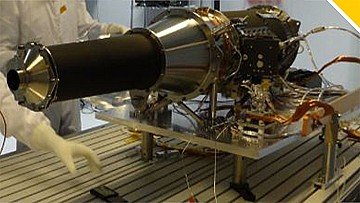
🚀 A key milestone achieved for #COMETInterceptor! - OHB-Italia
Fonte
OHB ITALIA SPA
target
Scopri affinità
bookmark_border
0
calendar_today
31/10/2025
upload
Archeologia
Serie/film/TV
Politica Interna
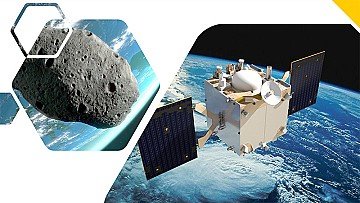
La missione #RAMSES raccontata su #Focus da #VitoTartamella, con OHB Italia S.p.A. come Prime Contractor. - OHB-Italia
Fonte
OHB ITALIA SPA
target
Scopri affinità
bookmark_border
0
Aggiungi ai preferiti