A global standard in multilingual education
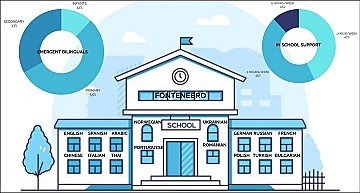
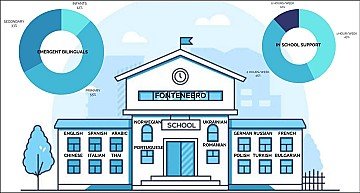
Hamilton International School in Doha has been recognised with ‘leading/exemplary’ accreditation by the Bell Foundation—one of the most respected organisations globally in multilingual learning. This recognition is a significant achievement for the school and for the wider ISP group, affirming our commitment to delivering inclusive, research-led multilingual education that prepares students to thrive in a linguistically diverse global context.
A research-led organisation focused on consulting, policy development, training and assessment that drives real change in provision for multilingual learners, the Bell Foundation’s accreditation team, ALFI, examine multilingual provision in international schools to provide a recognised and trusted stamp of excellence where this is identified. ISP recommends that all its schools use the Bell Foundation Framework as a tool to track and monitor student progress and design high-impact language learning based on students’ linguistic needs in its Multilingualism Professional Learning Pathway (MPLP).
In their report, the Bell Foundation highlighted several key strengths at Hamilton, notably the effective leadership for EAL. “Leadership for EAL is clearly set out in job descriptions, and staff with named responsibilities ensure policy and practice align with the ISP group’s research-informed Multilingualism Strategy within their respective roles. The structure of the school’s inclusion and language leadership team reflects how deeply multilingualism is embedded in daily practice.”
Hamilton’s staff model includes a Multilingualism Lead, who is both a teaching member of staff and part of the school’s senior leadership team. This ensures that multilingualism is integrated into classroom practice as well as a whole-school strategy. Regular Multilingualism focused Learning Visits conducted by the school, combined with its biannual self-evaluation against ISP’s Multilingualism Roadmap, create a cycle of continuous reflection and improvement. Every ISP school sets clear targets for Multilingualism on a biannual basis and is supported in meeting them at both a regional and group-wide level.
Embedding a culture of continuous improvement
Professional development plays a major role in the school’s success. The Bell Foundation praised the school’s use of the differentiated pathway model, describing it as “demonstrating a breadth of professional knowledge and understanding of multilingualism and support for EAL” across a two-year programme. Tiered training has been completed by leaders and classroom staff alike, with Tier 3 leaders collaborating with peers across ISP’s global community. Teachers have built evidence portfolios, directly linking theory to practice. Next year’s CPD has already been mapped based on these learnings.
The impact is clear. Training has led to stronger universal support for multilingual students across all year groups and has been met with positive feedback from both staff and parents, with significant increases in educators’ confidence levels when working with these learners.
Technology and partnerships that power progress
As part of this journey, Hamilton has also partnered with FlashAcademy—a digital platform that provides initial assessment of multilingual learners’ language skills and then a bespoke pathway to develop their reading, writing, listening and speaking skills, in addition to vocabulary and grammar support. You can read more about this collaboration here.
A model for inclusive, global learning
This recognition from the Bell Foundation is a powerful endorsement of Hamilton’s inclusive approach and ISP’s wider commitment to multilingualism. It is also a celebration of the educators and leaders who are creating the conditions for every student to succeed—linguistically, academically and globally.
“Every language a child speaks is a story, a skill and a gateway to the world,” says Emily Porter, ISP’s Chief Learning Officer. Through multilingualism, we open doors to opportunity — and equip students with the tools, confidence and cultural fluency to walk through them and thrive.”