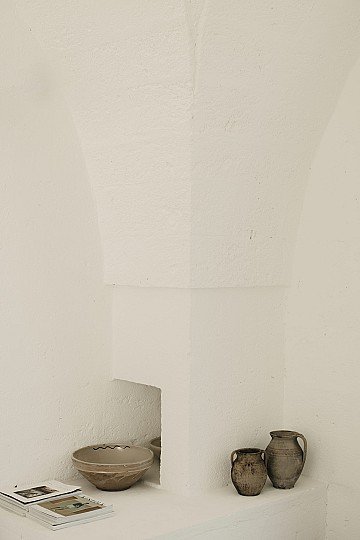
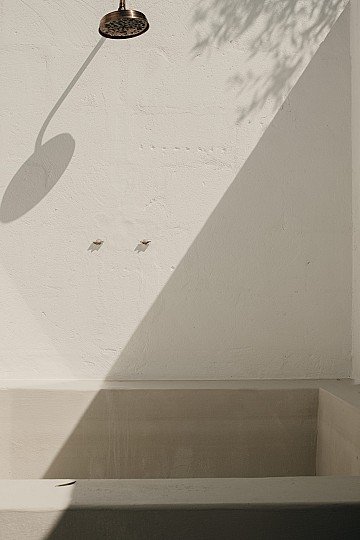
A refined approach to interior photography shaped by space, light, and meaning
In the art of photography, the image begins long before the shutter clicks. It begins in silence—with observation, intention, and vision.
At Erica Brenci Studio, interior and architectural shoots are not merely executions; they are collaborative compositions. Our visual direction is built on one essential tool: the moodboard. Paired with in-depth location study, a moodboard allows us to align our photography with the architect’s footprint, the designer’s aesthetic, and the brand essence of the place itself.
The Role of Moodboards in Interior Photography
A moodboard is not just a collage of pretty references. In our process, it becomes a strategic compass:
- It sets the emotional tone of the project
- It defines the palette, light language, and rhythm of the shoot
- It translates the architect’s vision and interior designer’s sensibility into a visual experience
Before we take a single image, we’ve already mapped the soul of the space.
Studying the Location: Space as Character
Every shoot begins with a deep reading of the location. We walk through it, observe how light shifts across the floor at different times of day, and study how materials reflect or absorb emotion.
We ask:
- What season are we in? How does the light behave now?
- What mood lives between these walls—warm and grounded, or bright and sculptural?
- What has the architect envisioned, and how can we extend that vision with our lens?
This is where strategy meets sensitivity. It’s not about capturing a perfect shot—it’s about revealing what’s already there in a way that feels meaningful, precise, and true.
Creative Direction: A New Interpretation of Place
The value of moodboard-driven planning is that it allows us to go beyond documenting design—we offer a new point of view.
Whether working with a boutique hotel, a contemporary home, or a restored palazzo, our goal is not to replicate the space as seen in past imagery, but to:
- Reinterpret it through the brand’s identity
- Respond to the designer’s narrative
- Highlight elements that might otherwise go unseen
For example, in a project designed by a firm known for minimalism, we may use natural shadows and slow shutter speed to highlight the quiet soul of a staircase or texture on a lime-plastered wall.
Every choice—framing, lens, light—is guided by the original vision, yet told through our personal photographic language.
Aligning With Brand and Design Philosophy
We work with:
- Architectural studios who want their signature details captured with sensitivity
- Interior designers who need images that tell the story of their craft, not just the function of the room
- Boutique hotels and creative venues that rely on strong editorial imagery to build emotional connection with their audience
The key? Visual and conceptual alignment.
Our moodboards integrate:
- Existing brand guidelines or color theory
- Previous editorial content
- Material inspiration, from marble slabs to linen weaves
- Emotional descriptors (quiet, grounded, sculptural, luminous…)
This ensures that the final images are not just beautiful—but aligned with the heart of the project.
Season, Atmosphere, and Timing
One overlooked but crucial element of planning is the seasonal atmosphere. We shoot spaces differently in:
- Winter light (crisp, pale, long shadows)
- Spring morning haze (soft, romantic, textured)
- Summer sun (intense, golden, editorial)
- Autumn dusk (warm, grounded, nostalgic)
These atmospheric nuances are part of our planning, allowing us to select the perfect time of day and editing approach to translate each season into the photographic language of the space.
Frequently Asked Questions
What is a moodboard and why is it important for interior photography?
A moodboard is a visual plan that outlines the style, tone, color palette, and emotional intent of a shoot. It ensures that photography is aligned with the space’s identity and the designer’s vision.
How do you prepare for photographing an interior space?
We visit the location beforehand (physically or virtually), study the light, understand the layout, and research the design philosophy. Based on this, we build a moodboard and creative direction for the session.
Can your process adapt to brand identity or architecture firm guidelines?
Yes. We frequently align with brand books, interior design statements, and architectural references to ensure the final images reflect the essence of the project or brand.
How far in advance should we begin the planning process?
Ideally 2–4 weeks before the shoot. This allows time for pre-production, location scouting, moodboard approval, and alignment between photographer, designer, and brand manager.
DISCOVER OUR SERVICES
FINE ART DESTINATION WEDDING PHOTOGRAPHY