A study in atmosphere, authorship, and architectural storytelling
In minimalist architecture, beauty lives between the lines.
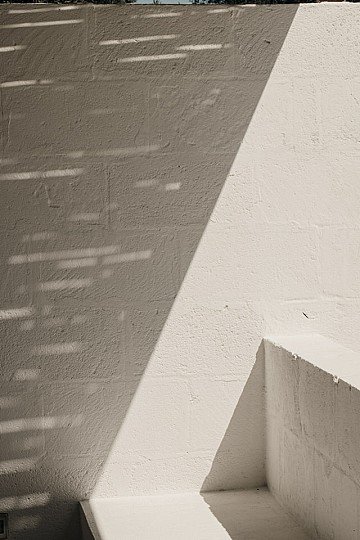
It’s found in a shadow, a texture, a void. Not in what’s added—but in what’s left untouched.
At Erica Brenci Studio, photographing minimalist spaces is less about perspective—and more about philosophy. We don’t simply document structure. We interpret presence. We translate the spirit of the project through form, light, and silence.
Photographic Minimalism Is Not Emptiness—It’s Intention
In minimalist architecture, every decision is precise. Every material is chosen, every line aligned with purpose. The role of photography is to honor that intentionality.
We ask:
- What is the architect’s voice in this project?
- Where does light begin, and where does shape end?
- How do we create images that feel like this space—without saying too much?
This approach transforms photography from a technical task into architectural storytelling.
Lines, Shapes, and the Geometry of Stillness
In minimalism, form leads. But photographing form is not about showing everything. It’s about showing only what matters.
We focus on:
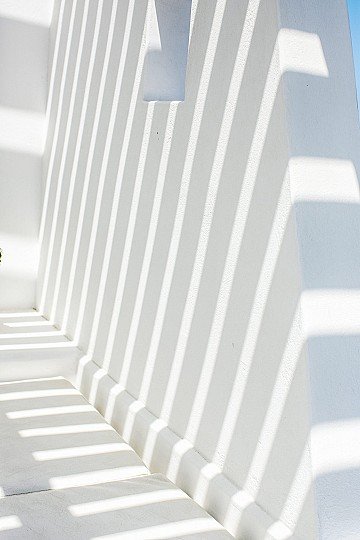
- Architectural lines that draw the eye and create visual rhythm
- Negative space that frames structure like punctuation
- Material transitions—plaster to steel, wood to stone—that whisper of detail
The result? A gallery that feels quiet, precise, and deeply intentional—a reflection of the space, not just a record of it.
Light as Author, Shadow as Emotion
Minimalist spaces are shaped as much by light and shadow as they are by brick and beam.
We follow the natural rhythm of the day to reveal:
- Morning clarity: when light outlines structure with gentle precision
- Midday symmetry: where forms meet light at their most neutral
- Dusk mystery: where shadow softens and emotion rises
Shadow isn’t absence—it’s presence. It gives the image breath, weight, and depth. It is the emotional arc of the space.
Material as Memory
When the space is minimal, materials speak louder.
- Stone becomes anchor
- Concrete becomes sculpture
- Linen, glass, brushed metal—they’re not finishes; they are stories of touch
We shoot close. Slow. With intention. Our images allow the viewer to feel texture through the frame—translating temperature, grain, and silence into emotional experience.
Capturing the Project’s Soul, Not Its Specs
This is where Erica Brenci Studio steps away from traditional architectural photography. Our lens doesn’t focus on room size or square footage. We focus on:
- Design philosophy
- Spatial rhythm
- Emotional atmosphere
Each image asks: What did the architect want this to feel like?
And we answer—with light, form, and restraint.
Shooting Minimalism with Presence
Minimalism requires photographers to do less—but with greater purpose.
It means:
- Pointing and shooting only when harmony aligns
- Letting stillness lead the composition
- Shooting not for the brief—but for the essence of the brief
Because when a space is reduced to only what matters, the photographer must be equally refined.
Frequently Asked Questions
What makes photographing minimalist interiors different?
Minimalist interiors rely on space, silence, and form. The photographer’s job is not to fill the frame, but to frame what’s already sacred. It’s about restraint, not reach.
How do you approach photographing a minimalist architectural project?
We begin with the project’s philosophy. We speak with the architect or designer, understand the intention behind the space, and build a visual plan based on light, texture, and atmosphere. Every image is aligned with the emotional arc of the design.
Do you use natural or artificial light?
Almost exclusively natural light. We believe minimalist architecture is designed to interact with its environment. Light is part of the story—it should not be replaced, but followed.
Who is this photography for?
This approach is ideal for architects, interior designers, and property developers who see space not as a product, but as a statement. We work with studios who value authorship, emotion, and timeless visual storytelling.