How to Capture the Emotional Depth and Design Intent of Architectural Spaces Through Storytelling Visuals
Why Storytelling Matters in Architectural Photography
Great architecture isn’t just about function or beauty, it’s about intention. Each curve, shadow, and volume tells a story. And as photographers or visual storytellers, our role is to reveal that narrative—not just document the structure.
In this article, we’ll explore how to visually interpret and express both the design philosophy and emotional resonance of architectural spaces through intentional, human-centered, and artistic photography.
1. Understand the Architect’s Vision First
“How can I reflect the designer’s intention in photos?”
By understanding it deepl, before you even pick up the camera.
Before any shoot, study:
- The project’s concept and architectural language
- Material choices and their symbolism
- Spatial relationships and user experience
Request interviews, moodboards, or architectural drawings if possible. When you know the “why” behind a space, your imagery becomes narrative, not neutral.
2. Use Light to Highlight Emotional Structure
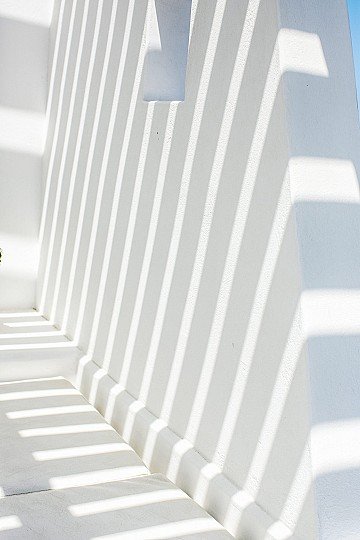
In storytelling visuals, light is language. It’s not just about exposing a scene—it’s about conveying a mood.
Photographic techniques:
- Use directional natural light to sculpt form
- Emphasize how light travels through the space during different times of day
- Capture shadows as visual metaphors for transition, solitude, or intimacy
In minimalist spaces, light can become the “voice” of the design.
3. Include Traces of Human Presence
“Can architectural photography include people?”
Yes—especially if the goal is emotional storytelling.
You don’t need a full portrait session. Instead, suggest life with:
- A blurred figure passing through frame
- A coffee cup on a stone windowsill
- Linen moved by the breeze
- Bare feet, shadows, reflections
These details allow viewers to inhabit the space emotionally, not just observe it.
4. Frame with Narrative Intention
Think like a cinematographer, not a catalog photographer.
Ask:
- Where is the tension or stillness in this space?
- What would be the “opening scene” of a film set here?
- What angle tells the story best?
Try these storytelling frames:
- First-person perspectives from entryways
- Symmetrical shots to suggest calm and balance
- Diagonals and layers to show spatial relationships
Let each image serve as a frame in a larger architectural story.
5. Focus on Texture, Material, and Atmosphere
Design isn’t only about form—it’s about feeling.
Highlight emotional design through:
- Natural materials (stone, plaster, wood)
- Aging surfaces or handcrafted details
- Sound and silence suggested through stillness
- Seasonal atmospheres: fog, sun, wind movement
Details aren’t decorative; they are carriers of meaning in storytelling visuals.
FAQ: Storytelling Architectural Photography
What is storytelling in architectural photography?
It’s a visual approach that captures not just form and structure, but also the emotional atmosphere, design philosophy, and human experience within a space.
How can I make my architectural photos feel more emotional?
Use natural light, minimal human presence, thoughtful composition, and detailed textures to evoke memory, feeling, and narrative.
Is it okay to break symmetry or use imperfection in architectural photos?
Absolutely. When done intentionally, imperfection adds depth and makes the image feel alive and honest.
DISCOVER OUR SERVICES
FINE ART DESTINATION WEDDING PHOTOGRAPHY