Water is much more than a natural resource. It is essential for life, economic development and social stability. However, it has also become a key factor in national security strategies. Water scarcity, poor management or unequal access can trigger conflicts, humanitarian crises and geopolitical instability. As climate change and demographic pressure increase, water is no longer merely an environmental concern—it is now a top priority on national defense and security agendas.
Water scarcity and the risk of conflict
Water scarcity has become a potential trigger for geopolitical tensions. In regions such as North Africa, the Middle East and Central Asia, shared water resources among countries with historically complex relationships are leading to growing friction. The combination of rising demand and increasingly limited supply, exacerbated by climate change, only intensifies these challenges.
According to the World Economic Forum, by 2030 global demand for freshwater could exceed current availability by 40%, directly affecting more than 1.6 billion people. If not properly managed, this imbalance could lead to internal and international conflicts—especially in contexts where institutions are fragile and water governance systems are inefficient.
Migration and forced displacement
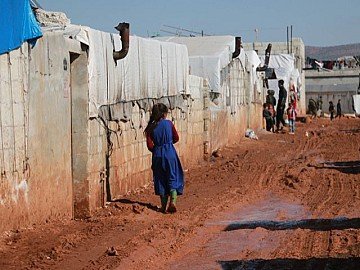
When water is scarce, communities are often forced to abandon their homes in search of safer living conditions. These environmentally driven migrations, worsened by lack of access to water, are already taking place in various parts of the world and are expected to become one of the leading causes of displacement in the near future.
The World Bank estimates that by 2050, climate change—including water scarcity—could result in up to 216 million internally displaced persons across Africa, Asia and Latin America. These population movements place additional pressure on urban infrastructure, increase competition for resources and can fuel tensions in host areas.
Critical infrastructure: vulnerability and resilience
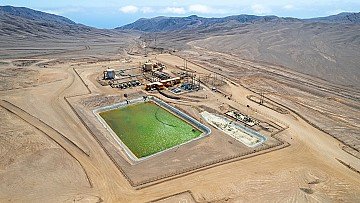
Water infrastructure—treatment plants, desalination facilities, dams, aqueducts—is the lifeline of a nation. When such infrastructure is insufficient, outdated or vulnerable to natural (floods, prolonged droughts) or human-induced events (neglect, sabotage), the risk of crises that can paralyze entire cities or cause severe economic damage increases.
Extreme weather events, increasingly affecting densely populated urban areas, can collapse supply systems or lead to prolonged interruptions of potable water services. This not only disrupts daily life, but also undermines critical sectors such as healthcare, energy and industry, reducing the state’s capacity to respond to emergencies.
Water security as a national strategy
National security can no longer be understood without a clear and robust water security strategy. Water is a vital and finite resource, and its responsible management is now a strategic imperative. In the face of climate change, urban growth and mounting pressure on ecosystems, states must move toward resilient water governance models based on data, international cooperation and long-term planning.
At Almar Water Solutions, we understand that our role goes far beyond infrastructure development. With every desalination, treatment, reuse or water supply project, we actively contribute to strengthening water security—and, by extension, the social, economic and political stability—of the regions in which we operate.
In addition to meeting the needs of populations, we also specialise in addressing the water challenges faced by the private sector, particularly in industrial environments where water scarcity and wastewater management are critical concerns. We design and implement customised solutions that optimise resource use, ensure operational efficiency and promote reuse, enabling companies to meet environmental standards, reduce their water footprint and transition towards more sustainable production models.
Our commitment is to deliver long-term, sustainable solutions tailored to highly vulnerable contexts. Whether in the Middle East, Africa or Latin America, we work to transform water access from a source of conflict into an opportunity for cooperation and development.
We firmly believe that water security is national security. That is why we continue to invest in technological innovation, public-private collaboration, and environmental responsibility as the cornerstones of our strategy.
References: