Reframing Interior Photography as an Art Form
In a visual culture oversaturated by fast content and algorithm-driven trends, interior design photography often falls victim to function over feeling. But when captured through the lens of a fine art photographer, design becomes more than decoration—it becomes emotion, intention, and memory.
This article explores why interior spaces—especially those rooted in minimalism, natural materials, and quiet luxury—deserve to be immortalized not just as spaces, but as artworks in themselves.
1. Design Is a Visual Language, and Art Interprets It
“What’s the difference between design documentation and design storytelling?”
Documentation shows you the space. Art makes you feel it.
Interior designers spend months (if not years) developing:
- Conceptual frameworks
- Material palettes
- Spatial hierarchies
- Emotional tone
Photographing these elements without reducing them to simple before/after snapshots means reading the space with intention, much like an art curator reads a canvas.
Fine art photography interprets—not just records—the designer’s vision.
2. Light and Texture Deserve a Cinematic Gaze
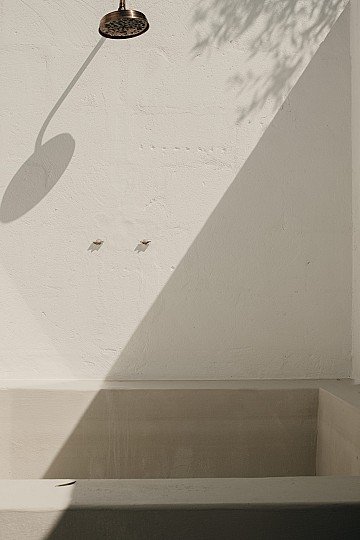
Fine art interior photography uses light not just for exposure—but for atmosphere.
Techniques include:
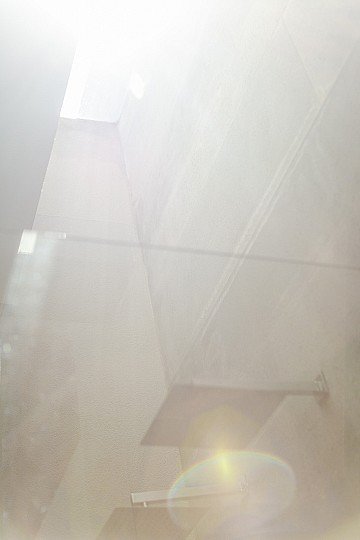
- Backlighting to evoke softness
- Side lighting to enhance texture
- Shadow play to suggest emotion or time of day
In minimalist interiors, the absence of visual noise gives light and texture the space to become characters in the narrative.
3. Slowness and Silence Need Space
“Can photography evoke silence?”
Absolutely—when composition, mood, and rhythm align.
Fine art photographers like often choose to:
- Wait for perfect natural light
- Shoot a single room for hours
- Capture empty, lived-in corners with stillness
This approach respects the soul of the space. It treats interiors as living environments, not magazine spreads.
4. Details Are Not Decor, They’re Storytelling Devices
A book left open, a linen curtain caught in a breeze, or a half-filled water glass on a wooden counter—these details, when framed with artistry, invite the viewer to inhabit the space.
Rather than staging for perfection, fine art photography celebrates imperfection:
- Cracks in the wall
- Natural patina on wood
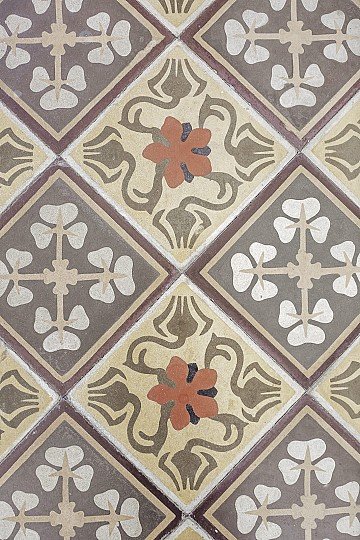
- Footsteps on terracotta
These choices create emotional resonance, not just aesthetic appeal.
5. Emotional Photography Elevates Brand Value
“Does fine art photography help designers and properties stand out?”
Yes, because it creates a visual identity rooted in feeling, not trends.
Clients and audiences are increasingly drawn to:
- Authentic experiences over polished perfection
- Story-driven imagery over salesy visuals
- Poetic communication over promotional content
Fine art photography aligns perfectly with luxury, boutique, and minimalist design brands seeking depth, distinction, and cultural value.
A space photographed with emotional precision becomes not just content—but a collectible visual asset.
FAQ: Fine Art Interior Photography
What is fine art interior photography?
It is a photographic approach that combines artistic sensibility with architectural storytelling to evoke emotion, presence, and atmosphere in interior spaces.
How is it different from real estate or editorial photography?
Unlike real estate photography (which prioritizes breadth and clarity), fine art photography focuses on light, emotion, story, and intentionality, often using minimal framing and slow visual rhythms.
Is it suitable for commercial work?
Yes, especially for luxury brands, designers, architects, boutique hotels, and design studios looking to elevate their identity and narrative.
When design is driven by vision, emotion, and timelessness, its photographic language should be too. Fine art photography honors that intention, offering interior spaces a visual life as rich as the physical one they inhabit.
For designers, architects, and hoteliers who create with soul, only a lens that sees with soul will do.
DISCOVER OUR SERVICES
FINE ART DESTINATION WEDDING PHOTOGRAPHY