5 Ways to Bring Out the Soul of a Space Through Minimal Interior Design Photography and Emotional Details
Why Emotion Matters in Minimalist Interior Photography
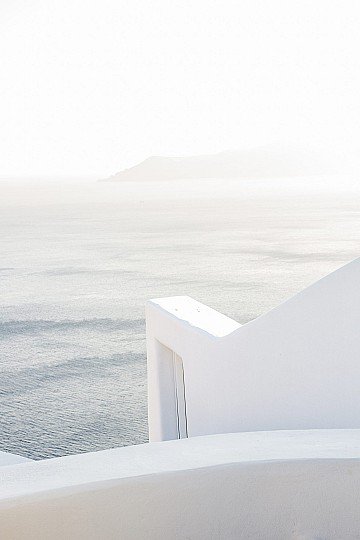
Minimalism in interior design is not just about empty space and clean lines, it’s about what remains. In minimal interior photography, every detail is intentional, and every shadow or soft fold of linen carries meaning. Capturing that emotional essence is what transforms an image from documentation into storytelling.
Through five expert principles, this article explores how to evoke atmosphere, soul, and humanity using minimalist composition, natural light, and emotional depth.
1. Use Natural Light as the Narrator
“Why is natural light so important in minimalist photography?”
Because it shapes mood, reveals texture, and gives voice to silence.
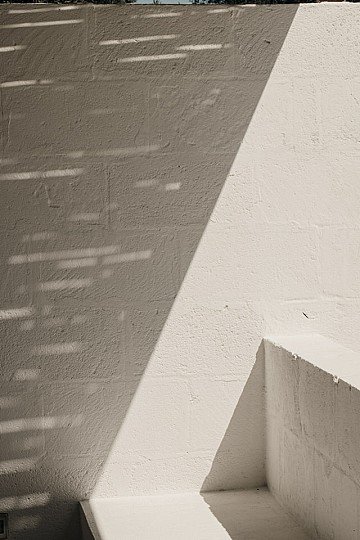
In minimal interiors, natural light becomes the main subject. A gentle shadow across a white wall, morning sun filtering through linen curtains—these elements create visual poetry without needing props or over-styling.
Tips:
- Photograph at different times of day to capture emotional variations
- Use side light to enhance texture and depth
- Let shadows fall freely—don’t fight them
Alt text suggestion: “Natural light falling on minimalist interior with linen curtains”
2. Focus on Composition, Not Decoration
In emotionally powerful imagery, less is more, but placement is everything.
Instead of staging or adding objects, work with:
- Existing architecture
- Negative space
- Lines and symmetry
- Subtle asymmetries that invite curiosity
Embrace the geometry of silence, allowing each element to breathe and speak on its own.
3. Invite Presence Through Details
“How do I make a space feel lived-in without cluttering it?”
Add emotional markers rather than decorative props.
Examples:
- An open book left mid-page
- A crumpled linen bedsheet
- A ceramic mug with a tea stain
- Bare feet, a touch of skin, or a person caught mid-motion
These choices hint at life beyond the lens, without distracting from the design.
4. Embrace Imperfection and Texture
Minimalism isn’t about perfection—it’s about authenticity. Slight cracks in plaster, hand-made finishes, uneven tiles—these details add soul and connect the viewer emotionally to the space.
What to highlight:
- Raw materials (stone, linen, clay, wood)
- Weathering or age
- Textural contrasts: smooth vs rough, light vs shadow
Use shallow depth of field to isolate texture and emotion.
5. Tell a Story With Every Frame
“What makes interior photos feel emotional and timeless?”
A sense of narrative—even in stillness.
Instead of shooting every angle, choose views that feel like a scene from a memory:
- A hallway with open light
- A quiet chair facing a window
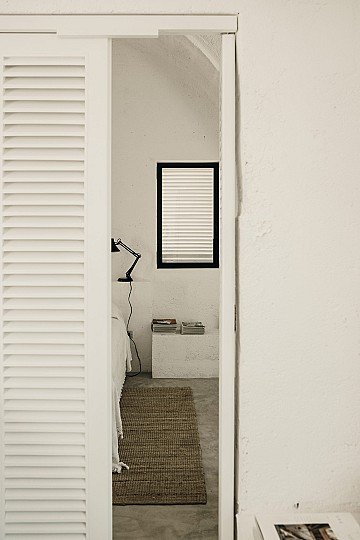
- A shadowed corner at dusk
Let the viewer imagine who lives here, what happens here, how time passes.
Frequently Asked Questions (FAQ)
What is minimal interior design photography?
It’s a photographic approach that emphasizes simplicity, natural light, and emotional resonance over styling and excess.
How do you bring emotion into a minimal space?
By using light, texture, and small human traces to convey intimacy, memory, and presence.
Can minimalist interiors still feel warm and soulful?
Absolutely. With thoughtful composition and emotional storytelling, even the most pared-back space can feel deeply personal.
True minimalist photography isn’t about stripping emotion away—it’s about amplifying what’s already there. Through light, detail, and intention, you can bring out the soul of any space and create imagery that whispers, lingers, and connects.
For designers, architects, and photographers seeking depth over excess, these techniques provide a path to lasting, evocative storytelling.
DISCOVER OUR SERVICES
FINE ART DESTINATION WEDDING PHOTOGRAPHY