Marketing automation promises real-time engagement, but many brands still struggle with silent failures inside their systems.
A missed campaign trigger occurs when automation fails to respond to customer behaviors or signals, causing lost opportunities for engagement or conversion.
These campaign trigger failures typically stem from incomplete data capture, rigid rule-based workflows, or delayed processing. For example, an abandoned cart email may never deploy because the cart event wasn’t properly logged. A welcome sequence might send hours or days late due to syncing delays.
Subtle behavioral signals such as scroll depth, repeat product views, or shifts in sentiment often go undetected because of weak behavioral event detection models. Such automation gaps reduce personalization, lower conversion rates, and ultimately impact revenue.
Recognizing these missed triggers and understanding why they occur is essential. By identifying the common causes, marketers can begin exploring smarter approaches, including AI-driven behavior predictions, to ensure campaigns reach the right audience at the right time.
Identifying key customer events for triggering campaigns
Not all customer actions are equally important. Focus on high-value events that drive engagement and conversions:
Purchase completion
Beyond simply confirming a sale, this event opens opportunities for personalized follow-ups. You can trigger campaigns with product recommendations based on past purchases, introduce loyalty or referral programs, or provide timely replenishment reminders for consumable items.
By engaging users right after a purchase, you reinforce trust and encourage repeat business.
Newsletter sign-up
This is often the first step in a longer relationship. A well-crafted welcome series can introduce key content, highlight features or services, and guide users toward their first meaningful action.
Personalized messaging in this stage helps establish expectations and sets the tone for ongoing engagement.
High purchase intent
Users who repeatedly visit product pages, compare items, or spend time exploring options are showing strong intent.
Campaigns triggered by this behavior can include targeted product highlights, customer reviews, limited-time offers, or educational content addressing common questions, helping nudge them toward conversion without being intrusive.
Inactivity or cart abandonment
These events indicate potential disengagement or hesitation. Prompt, timely interventions such as reminder emails, small incentives, or helpful content addressing barriers can recover lost opportunities.
For example, a gentle nudge about items left in a cart or highlighting recently viewed products can re-engage users who were close to converting.
By identifying and focusing on these high-value events, you can set up campaigns that respond naturally to customer behavior, improving engagement and reducing missed opportunities.
Integrating data sources for accurate insights
AI predictions are only as accurate as the data behind them. Fragmented or inconsistent data leads to unreliable insights, missed triggers, and ineffective campaigns. To make AI work effectively, marketers must ensure data is clean, unified, and comprehensive.
Key practices for strong data integration:
- Centralize customer data: Combine information from CRM systems, web analytics, mobile apps, and social platforms into unified customer profiles. This gives AI a complete view of each customer’s behavior, preferences, and lifecycle stage.
- Standardize formats: Align field names, units, and data conventions across all sources to prevent misinterpretation or mismatched records.
- Automate pipelines: Use pre-built connectors or automated ETL pipelines to move data seamlessly between systems, reducing errors and manual work.
- Deduplicate and validate: Remove duplicate records, correct errors, and fill missing information to maintain high-quality datasets.
- Continuously monitor quality: Set up dashboards and alerts to track data integrity, gaps, and anomalies so issues can be corrected before impacting AI predictions.
When these steps are followed, AI can accurately detect patterns, anticipate behavior, and trigger campaigns in real time, turning data into actionable marketing insights rather than static reports.
The role of AI in predicting user behavior
When it comes to fixing missed campaign triggers, artificial intelligence does more than automate tasks; it interprets complex customer behavior and anticipates what will happen next. Instead of waiting for a user to click or convert, AI can detect patterns that signal intent and trigger the right message at the right time.
At its core, AI-driven behavior prediction utilizes machine learning to analyze both historical and real-time interaction data, anticipating a user’s next action and allowing marketers to trigger timely, personalized campaigns.
This goes beyond simple rules like “send a discount if someone abandons a cart”; it can examine many behavioral and transactional variables, including page views, engagement rates, and previous purchases, to uncover signals that manual rules and static systems may miss.
For example, predictive models can flag users likely to churn before they disengage or identify opportunities to cross-sell based on emerging patterns in browsing and purchase history. These insights help marketers activate high-value triggers before customers take explicit action, turning potential missed moments into measurable engagement.
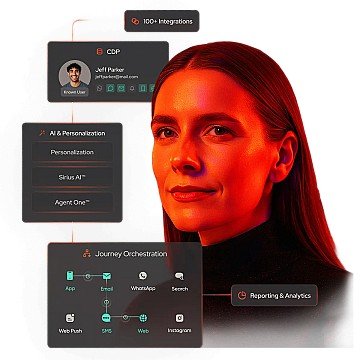
Platforms like Insider One embed Sirius AI’s predictive engine and Architect directly into the customer journey, analyzing real-time behavior and predictive signals to trigger campaigns dynamically.This ensures interactions are timely, relevant, and personalized, closing gaps where traditional automation often falls short.
Choosing the right AI campaign prediction platform or event‑driven marketing tool helps ensure your campaigns trigger at the right time and respond accurately to customer behavior. The right platform should combine reliable event detection, predictive insights, flexible automation workflows, and strong integrations with your existing systems.
What to look for
When evaluating tools, prioritize these capabilities:
- Unified workspace for data and campaigns — Combines customer data, segmentation, and campaign orchestration in one place.
- Predictive analytics and scoring — Uses historical and real‑time behavior to anticipate future actions and prioritize triggers.
- Real‑time event detection — Monitors key customer actions and reacts instantly when a trigger condition is met.
- Seamless integrations — Connects with CRM, e‑commerce, analytics, and communication platforms so behavior data flows directly into marketing automation.
Feature comparison of leading AI campaign prediction platforms
| Feature / Capability | Best for | What it helps with |
| Insider One | Unified behavior tracking + automation | Predictive scoring, real‑time triggers, dynamic segmentation, cross‑channel campaigns |
| Braze | Multi‑channel engagement | Real‑time campaign orchestration across email, mobile, web, and messaging |
| Bloomreach | E‑commerce focus | Product‑level insights, personalized recommendations, search‑driven engagement |
How to choose the right tool
To narrow down the best fit for your team:
- Match capabilities to goals: If your priority is deep behavior‑driven triggers across channels, look for tools with real‑time event detection and predictive scoring.
- Evaluate ease of use: Consider how intuitive the platform is, especially if multiple teams will be building triggers and campaigns.
- Check integrations: Make sure the platform connects with your key systems (e‑commerce, CRM, analytics, messaging) to ensure data flows smoothly into campaigns.
By focusing on essential features like unified data, real‑time detection, predictive insights, and seamless integrations, you can select an AI campaign prediction platform that supports accurate behavior forecasts and reliable trigger automation, turning user behavior signals into timely, relevant marketing actions.
Strategies to solve missed campaign triggers
Marketing campaigns often miss opportunities when triggers fail to respond to user behavior. Leveraging AI and predictive insights can help marketers catch those moments before they slip away, ensuring messages reach the right user at the right time.
Leveraging real-time data for accurate triggers
AI can analyze behavioral data as it happens, from page visits and clicks to in-app actions and content engagement. By monitoring these signals in real time, campaigns can respond immediately rather than relying on static rules.
For example, Slazenger used Architect journeys and behavioral data to detect cart abandoners and price-sensitive shoppers.
By automating timely messages like price-drop notifications, they recovered 40% of abandoned revenue and achieved 49× ROI in just eight weeks. Real-time data ensures triggers reflect actual intent, reducing missed opportunities and improving engagement.
Personalization through AI insights
Missed triggers often occur because messages aren’t tailored to the individual. AI helps solve this by predicting user behavior and personalizing content.
A high-intent user might receive product recommendations or a helpful guide, while a disengaged user could get a reminder or special incentive.
Adidas demonstrated this approach by using behavior-based product suggestions to deliver personalized recommendations in real time, driving a 259% increase in average order value (AOV).
By using predictive insights, campaigns feel less like generic automation and more like thoughtful, timely communication.
Automating trigger adjustments
AI doesn’t just respond, it learns from patterns and engagement metrics. If certain triggers underperform, AI can automatically adjust timing, messaging, or channels to improve results.
For instance, Cogna Educação’s Anhanguera brand unified online and offline data and automated follow-ups across channels like WhatsApp, email, and SMS, resulting in 7× ROI and 52% faster lead conversions.
Continuous optimization ensures triggers stay relevant and effective without constant manual oversight.
How Insider One helps solve missed campaign triggers
Insider One is designed to turn predictive insights into actionable campaigns that reach the right user at the right time. By combining real-time behavior tracking, unified customer data, and advanced predictive models, Insider One helps brands reduce missed triggers, increase engagement, and drive conversions.
Key capabilities that make a difference
- Real-time behavior detection: Monitor interactions across web, app, and email, capturing subtle signals like repeat browsing, content engagement, or partial form completions.
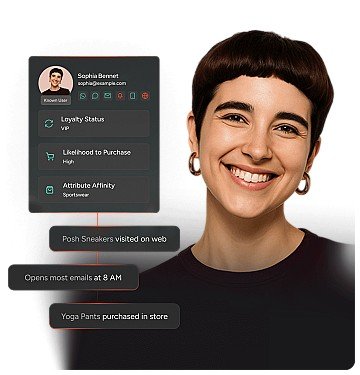
- Predictive behavior insights: AI-powered models anticipate intent, identify churn risk, and flag high-value opportunities before customers take action.
- Automated multi-channel campaigns: Respond instantly with personalized messages across email, SMS, push notifications, in-app, and web helping reduce missed engagement opportunities.
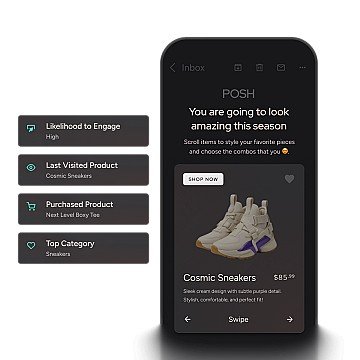
- Dynamic personalization: Deliver content, offers, and recommendations tailored to each user’s predicted behavior, making every interaction relevant and timely.
- Continuous optimization: Insider One uses campaign interaction data to refine triggers, messaging, and personalization for better results over time.
Take the next step with Insider One
Stop missing campaign opportunities with disconnected triggers. With Insider One, you can predict behavior, personalize engagement, and respond in real time across every channel. Request a demo or take a platform tour today and see how every interaction can drive results.
FAQs
What causes missed campaign triggers in marketing automation?
Missed triggers typically occur due to static automation rules, incomplete or fragmented data, or delayed detection of user behaviors. These gaps can result in lost opportunities for timely engagement and conversions.
How does AI identify and fix missed campaign triggers?
AI examines detailed behavioral patterns across digital touchpoints to detect signals that indicate intent or interest. It then helps marketers respond automatically by triggering campaigns at the most relevant moments, reducing missed opportunities.